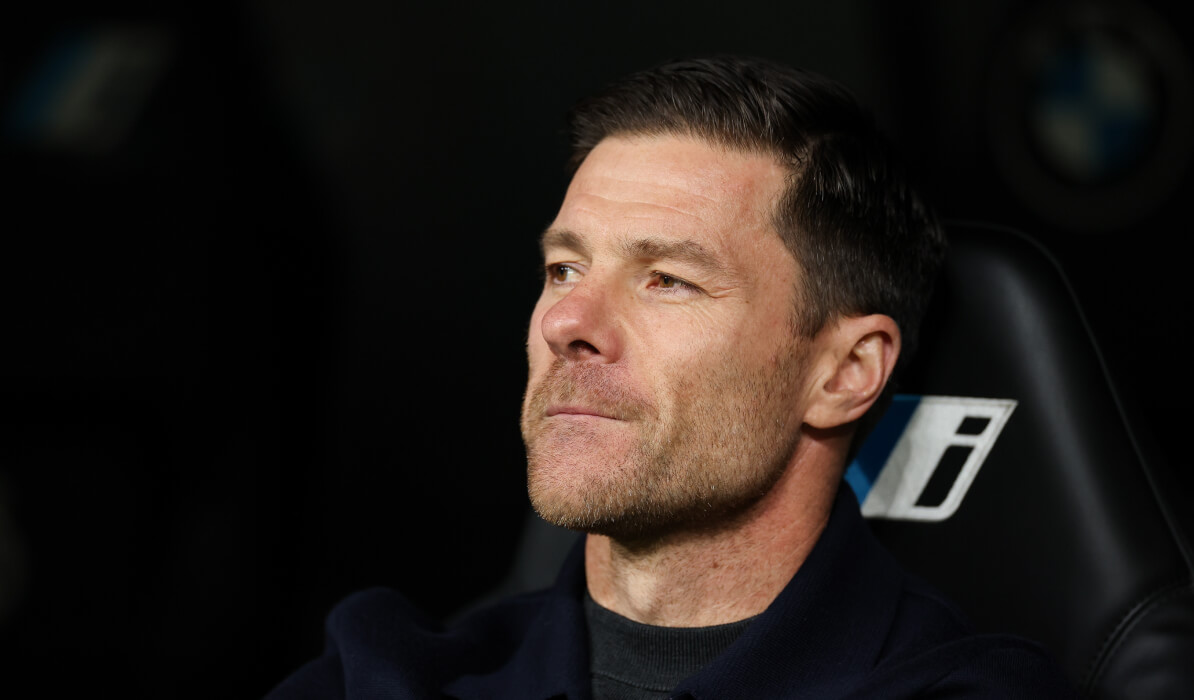
The news of Xabi Alonso being dismissed from his job at Real Madrid broke here in Spain to widespread media surprise. Monday morning’s headlines had all been about how close Real Madrid came to victory in the Supercopa de España, how ‘nobody was to blame’, and how ‘Raphinha was the only real difference’ for Barcelona. Even the most vociferous Madridistas in the Spanish media were arguing that Xabi Alonso had 'lost the final but saved his position’.
To put events into context, a combination of things had been evolving over recent weeks. Firstly: Xabi Alonso has always been the dominant figure throughout his previous career - as player or manager.
I interviewed him in September, and he spoke about how playing, and winning, at Real Madrid taught him how nothing under 100% every single day, every single match, is good enough. In due course, when took over at Bayer Leverkusen and won an historic Bundesliga title, he was ‘the man’. The veneration he enjoyed at those clubs was identical, for various reasons, at Real Sociedad, Bayern Munich - and particularly at Liverpool. Trophies, influence, style, authority everywhere.
He's never truly had to ‘manage upwards’: he’s always managed to be the ‘venerated, powerful one’ in almost all situations. But ’managing upwards’ at Real Madrid is both a testing and non-negotiable task. When he came to Real Madrid, and this is me being analytical not critical, it arguably took him too long to learn the vital importance of managing upwards, and to learn that keeping Florentino Pérez content, winning Presidential approval, is indispensable.
Another thing that took him too long to realise was that he didn’t need to over-coach that squad. In our interview he said the first thing to do is to convince the players because ‘if I sell them an idea they don’t buy into, we’re all lost’.
I think it has come as a jolt the degree to which, at Real Madrid, the most important figure is not the manager. It’s the president, after which come the star players, followed by the media, and then, often, the fans. At Madrid you might easily be fourth or fifth on that list. There’s no other club in the world where this is the case.
Zinédine Zidane and Carlo Ancelotti understood that using their charisma to get the players ‘onside’ and convincing them of their coaching ideas was three quarters of the job. ‘Manage’ them, ‘player-whisper’ them if you like - but avoid ‘over’ coaching them. Long, detailed, tactics-heavy videos… probably not.
Even though the performances were moderate, the results were improving (five straight wins prior to Sunday’s defeat) and they got him to the final of the Supercopa. Raúl Asencio and Álvaro Carreras had brilliant chances which could (in fact should) have forced the match to penalties, against ten-man Barcelona. I would argue that IF that game goes to penalties, Real Madrid become favourites. Raphinha, Lamine Yamal and Frenkie de Jong not on the pitch and the excellent Thibaut Courtois shaping up to be the hero.
The victory/defeat margin was wafer thin and, consequently, none of the media pinned blame on Alonso.
Pérez’s decision has come against a general backdrop of the fans, and media, noticeably taking out their disappointment on the players, concluding that there’s a problem with the group. The focus of blame had been moving away from Alonso. Alonso is young, vibrant, smart - he’s proven his talent. There have been moments where you could argue that he was building something at Madrid. They’re only four points off Barcelona in LaLiga and are in the top eight of the Champions League: you could give him a B- report card and very easily not sack him. I think Alonso wasn’t enjoying what managing superstars meant, which is something he wasn't required to do at Leverkusen. But, I think, he was beginning to adapt.
If anyone says that losing a final against a very good Barcelona side on a knife edge, second in the league by only four points, sitting in the top eight of the Champions League and one game away from the quarters finals of the Copa del Rey is disastrous, then they need to re-assess their criteria.
Nonetheless, the button has been pressed with a replacement in position. Álvaro Arbeloa steps up from the Cantera (youth academy) and is much-loved by the president. Good luck to Xabi Alonso for what comes next. We’ve shared interviews in the past, I’ve enjoyed watching him play and listening to him and he is unquestionably an honest, intelligent football man. He will be back.
The news of Xabi Alonso being dismissed from his job at Real Madrid broke here in Spain to widespread media surprise. Monday morning’s headlines had all been about how close Real Madrid came to victory in the Supercopa de España, how ‘nobody was to blame’, and how ‘Raphinha was the only real difference’ for Barcelona. Even the most vociferous Madridistas in the Spanish media were arguing that Xabi Alonso had 'lost the final but saved his position’.
To put events into context, a combination of things had been evolving over recent weeks. Firstly: Xabi Alonso has always been the dominant figure throughout his previous career - as player or manager.
I interviewed him in September, and he spoke about how playing, and winning, at Real Madrid taught him how nothing under 100% every single day, every single match, is good enough. In due course, when took over at Bayer Leverkusen and won an historic Bundesliga title, he was ‘the man’. The veneration he enjoyed at those clubs was identical, for various reasons, at Real Sociedad, Bayern Munich - and particularly at Liverpool. Trophies, influence, style, authority everywhere.
He's never truly had to ‘manage upwards’: he’s always managed to be the ‘venerated, powerful one’ in almost all situations. But ’managing upwards’ at Real Madrid is both a testing and non-negotiable task. When he came to Real Madrid, and this is me being analytical not critical, it arguably took him too long to learn the vital importance of managing upwards, and to learn that keeping Florentino Pérez content, winning Presidential approval, is indispensable.
Another thing that took him too long to realise was that he didn’t need to over-coach that squad. In our interview he said the first thing to do is to convince the players because ‘if I sell them an idea they don’t buy into, we’re all lost’.
I think it has come as a jolt the degree to which, at Real Madrid, the most important figure is not the manager. It’s the president, after which come the star players, followed by the media, and then, often, the fans. At Madrid you might easily be fourth or fifth on that list. There’s no other club in the world where this is the case.
Zinédine Zidane and Carlo Ancelotti understood that using their charisma to get the players ‘onside’ and convincing them of their coaching ideas was three quarters of the job. ‘Manage’ them, ‘player-whisper’ them if you like - but avoid ‘over’ coaching them. Long, detailed, tactics-heavy videos… probably not.
Even though the performances were moderate, the results were improving (five straight wins prior to Sunday’s defeat) and they got him to the final of the Supercopa. Raúl Asencio and Álvaro Carreras had brilliant chances which could (in fact should) have forced the match to penalties, against ten-man Barcelona. I would argue that IF that game goes to penalties, Real Madrid become favourites. Raphinha, Lamine Yamal and Frenkie de Jong not on the pitch and the excellent Thibaut Courtois shaping up to be the hero.
The victory/defeat margin was wafer thin and, consequently, none of the media pinned blame on Alonso.
Pérez’s decision has come against a general backdrop of the fans, and media, noticeably taking out their disappointment on the players, concluding that there’s a problem with the group. The focus of blame had been moving away from Alonso. Alonso is young, vibrant, smart - he’s proven his talent. There have been moments where you could argue that he was building something at Madrid. They’re only four points off Barcelona in LaLiga and are in the top eight of the Champions League: you could give him a B- report card and very easily not sack him. I think Alonso wasn’t enjoying what managing superstars meant, which is something he wasn't required to do at Leverkusen. But, I think, he was beginning to adapt.
If anyone says that losing a final against a very good Barcelona side on a knife edge, second in the league by only four points, sitting in the top eight of the Champions League and one game away from the quarters finals of the Copa del Rey is disastrous, then they need to re-assess their criteria.
Nonetheless, the button has been pressed with a replacement in position. Álvaro Arbeloa steps up from the Cantera (youth academy) and is much-loved by the president. Good luck to Xabi Alonso for what comes next. We’ve shared interviews in the past, I’ve enjoyed watching him play and listening to him and he is unquestionably an honest, intelligent football man. He will be back.
The news of Xabi Alonso being dismissed from his job at Real Madrid broke here in Spain to widespread media surprise. Monday morning’s headlines had all been about how close Real Madrid came to victory in the Supercopa de España, how ‘nobody was to blame’, and how ‘Raphinha was the only real difference’ for Barcelona. Even the most vociferous Madridistas in the Spanish media were arguing that Xabi Alonso had 'lost the final but saved his position’.
To put events into context, a combination of things had been evolving over recent weeks. Firstly: Xabi Alonso has always been the dominant figure throughout his previous career - as player or manager.
I interviewed him in September, and he spoke about how playing, and winning, at Real Madrid taught him how nothing under 100% every single day, every single match, is good enough. In due course, when took over at Bayer Leverkusen and won an historic Bundesliga title, he was ‘the man’. The veneration he enjoyed at those clubs was identical, for various reasons, at Real Sociedad, Bayern Munich - and particularly at Liverpool. Trophies, influence, style, authority everywhere.
He's never truly had to ‘manage upwards’: he’s always managed to be the ‘venerated, powerful one’ in almost all situations. But ’managing upwards’ at Real Madrid is both a testing and non-negotiable task. When he came to Real Madrid, and this is me being analytical not critical, it arguably took him too long to learn the vital importance of managing upwards, and to learn that keeping Florentino Pérez content, winning Presidential approval, is indispensable.
Another thing that took him too long to realise was that he didn’t need to over-coach that squad. In our interview he said the first thing to do is to convince the players because ‘if I sell them an idea they don’t buy into, we’re all lost’.
I think it has come as a jolt the degree to which, at Real Madrid, the most important figure is not the manager. It’s the president, after which come the star players, followed by the media, and then, often, the fans. At Madrid you might easily be fourth or fifth on that list. There’s no other club in the world where this is the case.
Zinédine Zidane and Carlo Ancelotti understood that using their charisma to get the players ‘onside’ and convincing them of their coaching ideas was three quarters of the job. ‘Manage’ them, ‘player-whisper’ them if you like - but avoid ‘over’ coaching them. Long, detailed, tactics-heavy videos… probably not.
Even though the performances were moderate, the results were improving (five straight wins prior to Sunday’s defeat) and they got him to the final of the Supercopa. Raúl Asencio and Álvaro Carreras had brilliant chances which could (in fact should) have forced the match to penalties, against ten-man Barcelona. I would argue that IF that game goes to penalties, Real Madrid become favourites. Raphinha, Lamine Yamal and Frenkie de Jong not on the pitch and the excellent Thibaut Courtois shaping up to be the hero.
The victory/defeat margin was wafer thin and, consequently, none of the media pinned blame on Alonso.
Pérez’s decision has come against a general backdrop of the fans, and media, noticeably taking out their disappointment on the players, concluding that there’s a problem with the group. The focus of blame had been moving away from Alonso. Alonso is young, vibrant, smart - he’s proven his talent. There have been moments where you could argue that he was building something at Madrid. They’re only four points off Barcelona in LaLiga and are in the top eight of the Champions League: you could give him a B- report card and very easily not sack him. I think Alonso wasn’t enjoying what managing superstars meant, which is something he wasn't required to do at Leverkusen. But, I think, he was beginning to adapt.
If anyone says that losing a final against a very good Barcelona side on a knife edge, second in the league by only four points, sitting in the top eight of the Champions League and one game away from the quarters finals of the Copa del Rey is disastrous, then they need to re-assess their criteria.
Nonetheless, the button has been pressed with a replacement in position. Álvaro Arbeloa steps up from the Cantera (youth academy) and is much-loved by the president. Good luck to Xabi Alonso for what comes next. We’ve shared interviews in the past, I’ve enjoyed watching him play and listening to him and he is unquestionably an honest, intelligent football man. He will be back.


The news of Xabi Alonso being dismissed from his job at Real Madrid broke here in Spain to widespread media surprise. Monday morning’s headlines had all been about how close Real Madrid came to victory in the Supercopa de España, how ‘nobody was to blame’, and how ‘Raphinha was the only real difference’ for Barcelona. Even the most vociferous Madridistas in the Spanish media were arguing that Xabi Alonso had 'lost the final but saved his position’.
To put events into context, a combination of things had been evolving over recent weeks. Firstly: Xabi Alonso has always been the dominant figure throughout his previous career - as player or manager.
I interviewed him in September, and he spoke about how playing, and winning, at Real Madrid taught him how nothing under 100% every single day, every single match, is good enough. In due course, when took over at Bayer Leverkusen and won an historic Bundesliga title, he was ‘the man’. The veneration he enjoyed at those clubs was identical, for various reasons, at Real Sociedad, Bayern Munich - and particularly at Liverpool. Trophies, influence, style, authority everywhere.
He's never truly had to ‘manage upwards’: he’s always managed to be the ‘venerated, powerful one’ in almost all situations. But ’managing upwards’ at Real Madrid is both a testing and non-negotiable task. When he came to Real Madrid, and this is me being analytical not critical, it arguably took him too long to learn the vital importance of managing upwards, and to learn that keeping Florentino Pérez content, winning Presidential approval, is indispensable.
Another thing that took him too long to realise was that he didn’t need to over-coach that squad. In our interview he said the first thing to do is to convince the players because ‘if I sell them an idea they don’t buy into, we’re all lost’.
I think it has come as a jolt the degree to which, at Real Madrid, the most important figure is not the manager. It’s the president, after which come the star players, followed by the media, and then, often, the fans. At Madrid you might easily be fourth or fifth on that list. There’s no other club in the world where this is the case.
Zinédine Zidane and Carlo Ancelotti understood that using their charisma to get the players ‘onside’ and convincing them of their coaching ideas was three quarters of the job. ‘Manage’ them, ‘player-whisper’ them if you like - but avoid ‘over’ coaching them. Long, detailed, tactics-heavy videos… probably not.
Even though the performances were moderate, the results were improving (five straight wins prior to Sunday’s defeat) and they got him to the final of the Supercopa. Raúl Asencio and Álvaro Carreras had brilliant chances which could (in fact should) have forced the match to penalties, against ten-man Barcelona. I would argue that IF that game goes to penalties, Real Madrid become favourites. Raphinha, Lamine Yamal and Frenkie de Jong not on the pitch and the excellent Thibaut Courtois shaping up to be the hero.
The victory/defeat margin was wafer thin and, consequently, none of the media pinned blame on Alonso.
Pérez’s decision has come against a general backdrop of the fans, and media, noticeably taking out their disappointment on the players, concluding that there’s a problem with the group. The focus of blame had been moving away from Alonso. Alonso is young, vibrant, smart - he’s proven his talent. There have been moments where you could argue that he was building something at Madrid. They’re only four points off Barcelona in LaLiga and are in the top eight of the Champions League: you could give him a B- report card and very easily not sack him. I think Alonso wasn’t enjoying what managing superstars meant, which is something he wasn't required to do at Leverkusen. But, I think, he was beginning to adapt.
If anyone says that losing a final against a very good Barcelona side on a knife edge, second in the league by only four points, sitting in the top eight of the Champions League and one game away from the quarters finals of the Copa del Rey is disastrous, then they need to re-assess their criteria.
Nonetheless, the button has been pressed with a replacement in position. Álvaro Arbeloa steps up from the Cantera (youth academy) and is much-loved by the president. Good luck to Xabi Alonso for what comes next. We’ve shared interviews in the past, I’ve enjoyed watching him play and listening to him and he is unquestionably an honest, intelligent football man. He will be back.
The news of Xabi Alonso being dismissed from his job at Real Madrid broke here in Spain to widespread media surprise. Monday morning’s headlines had all been about how close Real Madrid came to victory in the Supercopa de España, how ‘nobody was to blame’, and how ‘Raphinha was the only real difference’ for Barcelona. Even the most vociferous Madridistas in the Spanish media were arguing that Xabi Alonso had 'lost the final but saved his position’.
To put events into context, a combination of things had been evolving over recent weeks. Firstly: Xabi Alonso has always been the dominant figure throughout his previous career - as player or manager.
I interviewed him in September, and he spoke about how playing, and winning, at Real Madrid taught him how nothing under 100% every single day, every single match, is good enough. In due course, when took over at Bayer Leverkusen and won an historic Bundesliga title, he was ‘the man’. The veneration he enjoyed at those clubs was identical, for various reasons, at Real Sociedad, Bayern Munich - and particularly at Liverpool. Trophies, influence, style, authority everywhere.
He's never truly had to ‘manage upwards’: he’s always managed to be the ‘venerated, powerful one’ in almost all situations. But ’managing upwards’ at Real Madrid is both a testing and non-negotiable task. When he came to Real Madrid, and this is me being analytical not critical, it arguably took him too long to learn the vital importance of managing upwards, and to learn that keeping Florentino Pérez content, winning Presidential approval, is indispensable.
Another thing that took him too long to realise was that he didn’t need to over-coach that squad. In our interview he said the first thing to do is to convince the players because ‘if I sell them an idea they don’t buy into, we’re all lost’.
I think it has come as a jolt the degree to which, at Real Madrid, the most important figure is not the manager. It’s the president, after which come the star players, followed by the media, and then, often, the fans. At Madrid you might easily be fourth or fifth on that list. There’s no other club in the world where this is the case.
Zinédine Zidane and Carlo Ancelotti understood that using their charisma to get the players ‘onside’ and convincing them of their coaching ideas was three quarters of the job. ‘Manage’ them, ‘player-whisper’ them if you like - but avoid ‘over’ coaching them. Long, detailed, tactics-heavy videos… probably not.
Even though the performances were moderate, the results were improving (five straight wins prior to Sunday’s defeat) and they got him to the final of the Supercopa. Raúl Asencio and Álvaro Carreras had brilliant chances which could (in fact should) have forced the match to penalties, against ten-man Barcelona. I would argue that IF that game goes to penalties, Real Madrid become favourites. Raphinha, Lamine Yamal and Frenkie de Jong not on the pitch and the excellent Thibaut Courtois shaping up to be the hero.
The victory/defeat margin was wafer thin and, consequently, none of the media pinned blame on Alonso.
Pérez’s decision has come against a general backdrop of the fans, and media, noticeably taking out their disappointment on the players, concluding that there’s a problem with the group. The focus of blame had been moving away from Alonso. Alonso is young, vibrant, smart - he’s proven his talent. There have been moments where you could argue that he was building something at Madrid. They’re only four points off Barcelona in LaLiga and are in the top eight of the Champions League: you could give him a B- report card and very easily not sack him. I think Alonso wasn’t enjoying what managing superstars meant, which is something he wasn't required to do at Leverkusen. But, I think, he was beginning to adapt.
If anyone says that losing a final against a very good Barcelona side on a knife edge, second in the league by only four points, sitting in the top eight of the Champions League and one game away from the quarters finals of the Copa del Rey is disastrous, then they need to re-assess their criteria.
Nonetheless, the button has been pressed with a replacement in position. Álvaro Arbeloa steps up from the Cantera (youth academy) and is much-loved by the president. Good luck to Xabi Alonso for what comes next. We’ve shared interviews in the past, I’ve enjoyed watching him play and listening to him and he is unquestionably an honest, intelligent football man. He will be back.
The news of Xabi Alonso being dismissed from his job at Real Madrid broke here in Spain to widespread media surprise. Monday morning’s headlines had all been about how close Real Madrid came to victory in the Supercopa de España, how ‘nobody was to blame’, and how ‘Raphinha was the only real difference’ for Barcelona. Even the most vociferous Madridistas in the Spanish media were arguing that Xabi Alonso had 'lost the final but saved his position’.
To put events into context, a combination of things had been evolving over recent weeks. Firstly: Xabi Alonso has always been the dominant figure throughout his previous career - as player or manager.
I interviewed him in September, and he spoke about how playing, and winning, at Real Madrid taught him how nothing under 100% every single day, every single match, is good enough. In due course, when took over at Bayer Leverkusen and won an historic Bundesliga title, he was ‘the man’. The veneration he enjoyed at those clubs was identical, for various reasons, at Real Sociedad, Bayern Munich - and particularly at Liverpool. Trophies, influence, style, authority everywhere.
He's never truly had to ‘manage upwards’: he’s always managed to be the ‘venerated, powerful one’ in almost all situations. But ’managing upwards’ at Real Madrid is both a testing and non-negotiable task. When he came to Real Madrid, and this is me being analytical not critical, it arguably took him too long to learn the vital importance of managing upwards, and to learn that keeping Florentino Pérez content, winning Presidential approval, is indispensable.
Another thing that took him too long to realise was that he didn’t need to over-coach that squad. In our interview he said the first thing to do is to convince the players because ‘if I sell them an idea they don’t buy into, we’re all lost’.
I think it has come as a jolt the degree to which, at Real Madrid, the most important figure is not the manager. It’s the president, after which come the star players, followed by the media, and then, often, the fans. At Madrid you might easily be fourth or fifth on that list. There’s no other club in the world where this is the case.
Zinédine Zidane and Carlo Ancelotti understood that using their charisma to get the players ‘onside’ and convincing them of their coaching ideas was three quarters of the job. ‘Manage’ them, ‘player-whisper’ them if you like - but avoid ‘over’ coaching them. Long, detailed, tactics-heavy videos… probably not.
Even though the performances were moderate, the results were improving (five straight wins prior to Sunday’s defeat) and they got him to the final of the Supercopa. Raúl Asencio and Álvaro Carreras had brilliant chances which could (in fact should) have forced the match to penalties, against ten-man Barcelona. I would argue that IF that game goes to penalties, Real Madrid become favourites. Raphinha, Lamine Yamal and Frenkie de Jong not on the pitch and the excellent Thibaut Courtois shaping up to be the hero.
The victory/defeat margin was wafer thin and, consequently, none of the media pinned blame on Alonso.
Pérez’s decision has come against a general backdrop of the fans, and media, noticeably taking out their disappointment on the players, concluding that there’s a problem with the group. The focus of blame had been moving away from Alonso. Alonso is young, vibrant, smart - he’s proven his talent. There have been moments where you could argue that he was building something at Madrid. They’re only four points off Barcelona in LaLiga and are in the top eight of the Champions League: you could give him a B- report card and very easily not sack him. I think Alonso wasn’t enjoying what managing superstars meant, which is something he wasn't required to do at Leverkusen. But, I think, he was beginning to adapt.
If anyone says that losing a final against a very good Barcelona side on a knife edge, second in the league by only four points, sitting in the top eight of the Champions League and one game away from the quarters finals of the Copa del Rey is disastrous, then they need to re-assess their criteria.
Nonetheless, the button has been pressed with a replacement in position. Álvaro Arbeloa steps up from the Cantera (youth academy) and is much-loved by the president. Good luck to Xabi Alonso for what comes next. We’ve shared interviews in the past, I’ve enjoyed watching him play and listening to him and he is unquestionably an honest, intelligent football man. He will be back.