Xabi Alonso has proven time and again as a player and coach that he’s made of the right stuff. And it may just be the right stuff to make Real Madrid champions of Spain and Europe once more.
That’s an assessment based on Alonso’s talent, track record, intelligence and determination. Yet there’s also something else. Not superstition, just plain fact. In each of Los Blancos’ eight Champions League victories since 1998, they have been managed by someone who either played in or won the competition as a midfielder.
Vicente del Bosque, a formidable force in the 1981 European Cup final defeat, guided Los Blancos to triumphs in 1999/2000 and 2001/02. Carlo Ancelotti was a key cog in the engine room of the AC Milan side that won back-to-back titles in 1988/89 and 1989/90, claimed two more as Rossoneri coach and then led Madrid to triumphs in 2013/14, 2021/22 and 2023/24. Then there’s Zinédine Zidane, perhaps the greatest midfielder of them all and scorer of arguably the best-ever final goal: for Del Bosque’s side at Hampden in 2002. The Frenchman added three Champions League winners’ medals as coach in 2016, 2017 and 2018.
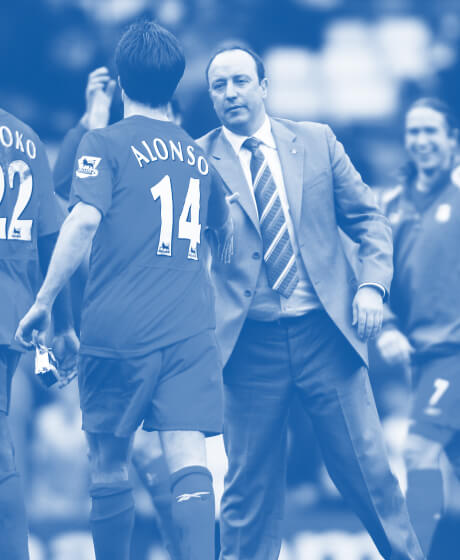
Alonso fits the bill in every sense. The Basque lifted the trophy with Liverpool in 2005, scoring the equaliser in Istanbul as the Reds wiped out a 3-0 half-time deficit to defeat Ancelotti’s Milan. Nine years on, he got to savour that winning feeling once again, though this time, frustratingly, not on the pitch. Having played a big role in Madrid getting to Lisbon, he was suspended for the showpiece against Atlético de Madrid and forced to watch another nerve-shredding final in the stand.
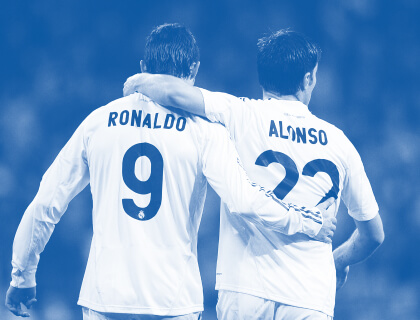
Inheriting this job from Ancelotti might prove as testing and complicated a task as it was wresting the Champions League trophy from the grasp of the Italian’s Milan side two decades ago. Alonso is a homecoming hero, somebody who won the admiration and adoration of the Merengues’ fans while master and commander of their midfield between 2009 and 2014. That technically gifted, relentlessly determined footballer has now become a coach of some repute following a vaunted spell at Bayer Leverkusen. The expectations on him are huge.
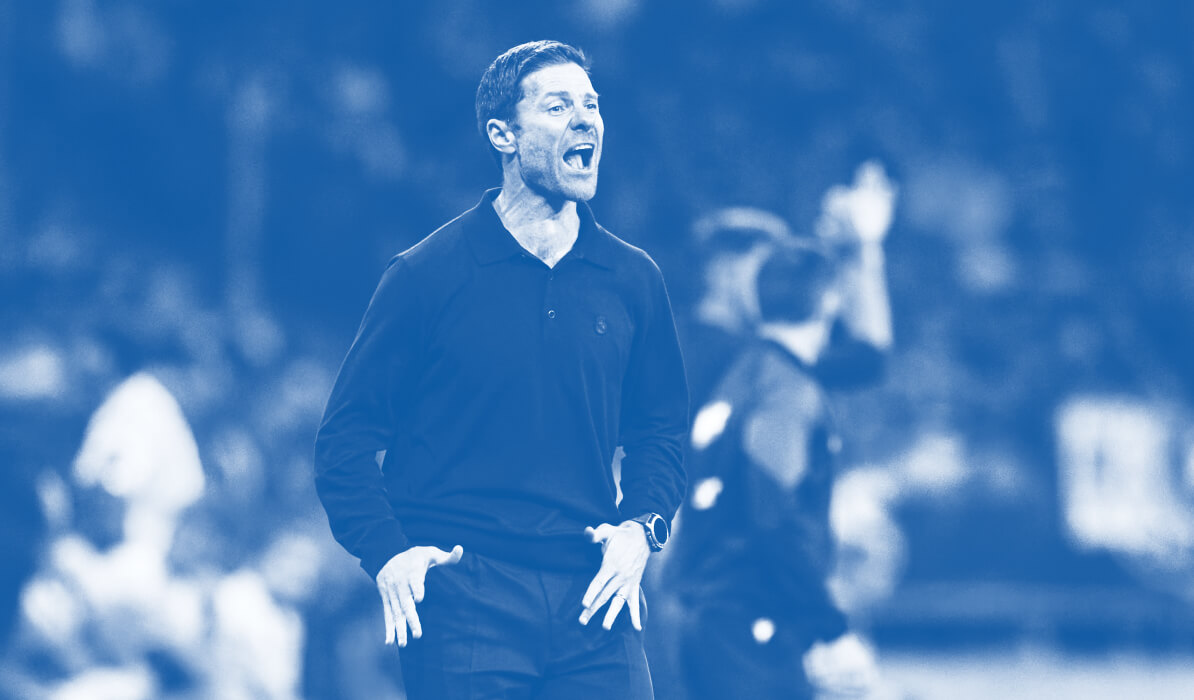
For our interview in the club’s vast, high-tech Valdebebas training centre, the 44-year-old is kitted out in training gear, a youthful figure who looks like he could still be pulling the strings in Madrid’s midfield. The club’s media suite is decorated with beautiful images of all 15 of their victorious Champions League finals and, against this backdrop, Alonso is happy to explain what drove him to return, the influence this club and his predecessors have had on him – and how those things will shape his quest for a final date in Budapest in May.
“This does feel like a homecoming,” he tells me. “Playing for Real Madrid was an incredibly important chapter in my career. And also in my personal life, because our two daughters were born here – they were five intense years! Returning to somewhere that was my home, where I felt so loved, makes me proud.
“It’s a big responsibility, but before you accept the challenge, you have to feel ready to take the step: training players of such a high level, playing every weekend, every two weeks at the Santiago Bernabéu… Putting all of that together is a strong motivation. I played here so I know what it all means. Life here demanded that I gave 100 per cent every day, because at Real Madrid 90% is not enough. The demands are really high. Competing here made me improve and perform at a high level for five years, fighting for everything.

“In the end, we managed to win what we set out to win – the Champions League. But at this club, you can’t settle and say, ‘OK, things are going well. I’m happy!’ Instead, you think, ‘I have to continue at this level!’ Feeling that expectation practically every week made me grow.”
Alonso played under three coaches in the Spanish capital: Manuel Pellegrini, José Mourinho and the man he’s just succeeded, Ancelotti. The Basque and the Italian are different characters in many respects, but what his biggest takeaway from working under him? “Well, Carlo is a great football man,” he replies. “He knows how to manage a squad and make himself loved. You can be very knowledgeable, but if the players don’t follow you or don’t love you, things are really difficult. I don’t think there’s a single player who doesn’t love him. He’s highly esteemed by all of us who played for him.”
So, Alonso knows he’ll need to generate a depth of feeling with the players as their leader. And once he has achieved that, he will look to cement it with something that has the makings of his own USP. Something that underpinned his coaching success with the Madrid academy, in his historic spell at Leverkusen and now, he hopes, with a team starring Kylian Mbappé, Vinícius Júnior, Jude Bellingham and Thibaut Courtois. “Spirit,” he says. “Team spirit. The idea embedded in my players’ minds that the team matters most.”
Fine. But how do you generate that? How do you make a team your own – in strategy, in work ethic, in unity, loyalty and, yes, spirit? “Reading games and knowing how to make the right decisions when you’re on the pitch is the most important thing as a player – knowing what to do at any given moment. The more correct decisions you make, the better you’ll play,” he says. “Now I’m in another role: in the office, preparing the team – but the work has big similarities. I have to make a lot of decisions; the fewer I get wrong, the better my work will be, whether it’s line-ups, tactical planning or running a training session.
“Now, you have to value aspects that you previously viewed in a more relaxed or casual way. But understanding the game and the man-management side of things at Madrid is crucial. You have to have that
Xabi Alonso has proven time and again as a player and coach that he’s made of the right stuff. And it may just be the right stuff to make Real Madrid champions of Spain and Europe once more.
That’s an assessment based on Alonso’s talent, track record, intelligence and determination. Yet there’s also something else. Not superstition, just plain fact. In each of Los Blancos’ eight Champions League victories since 1998, they have been managed by someone who either played in or won the competition as a midfielder.
Vicente del Bosque, a formidable force in the 1981 European Cup final defeat, guided Los Blancos to triumphs in 1999/2000 and 2001/02. Carlo Ancelotti was a key cog in the engine room of the AC Milan side that won back-to-back titles in 1988/89 and 1989/90, claimed two more as Rossoneri coach and then led Madrid to triumphs in 2013/14, 2021/22 and 2023/24. Then there’s Zinédine Zidane, perhaps the greatest midfielder of them all and scorer of arguably the best-ever final goal: for Del Bosque’s side at Hampden in 2002. The Frenchman added three Champions League winners’ medals as coach in 2016, 2017 and 2018.
Alonso fits the bill in every sense. The Basque lifted the trophy with Liverpool in 2005, scoring the equaliser in Istanbul as the Reds wiped out a 3-0 half-time deficit to defeat Ancelotti’s Milan. Nine years on, he got to savour that winning feeling once again, though this time, frustratingly, not on the pitch. Having played a big role in Madrid getting to Lisbon, he was suspended for the showpiece against Atlético de Madrid and forced to watch another nerve-shredding final in the stand.


Inheriting this job from Ancelotti might prove as testing and complicated a task as it was wresting the Champions League trophy from the grasp of the Italian’s Milan side two decades ago. Alonso is a homecoming hero, somebody who won the admiration and adoration of the Merengues’ fans while master and commander of their midfield between 2009 and 2014. That technically gifted, relentlessly determined footballer has now become a coach of some repute following a vaunted spell at Bayer Leverkusen. The expectations on him are huge.
For our interview in the club’s vast, high-tech Valdebebas training centre, the 44-year-old is kitted out in training gear, a youthful figure who looks like he could still be pulling the strings in Madrid’s midfield. The club’s media suite is decorated with beautiful images of all 15 of their victorious Champions League finals and, against this backdrop, Alonso is happy to explain what drove him to return, the influence this club and his predecessors have had on him – and how those things will shape his quest for a final date in Budapest in May.
“This does feel like a homecoming,” he tells me. “Playing for Real Madrid was an incredibly important chapter in my career. And also in my personal life, because our two daughters were born here – they were five intense years! Returning to somewhere that was my home, where I felt so loved, makes me proud.
“It’s a big responsibility, but before you accept the challenge, you have to feel ready to take the step: training players of such a high level, playing every weekend, every two weeks at the Santiago Bernabéu… Putting all of that together is a strong motivation. I played here so I know what it all means. Life here demanded that I gave 100 per cent every day, because at Real Madrid 90% is not enough. The demands are really high. Competing here made me improve and perform at a high level for five years, fighting for everything.
“In the end, we managed to win what we set out to win – the Champions League. But at this club, you can’t settle and say, ‘OK, things are going well. I’m happy!’ Instead, you think, ‘I have to continue at this level!’ Feeling that expectation practically every week made me grow.”
Alonso played under three coaches in the Spanish capital: Manuel Pellegrini, José Mourinho and the man he’s just succeeded, Ancelotti. The Basque and the Italian are different characters in many respects, but what his biggest takeaway from working under him? “Well, Carlo is a great football man,” he replies. “He knows how to manage a squad and make himself loved. You can be very knowledgeable, but if the players don’t follow you or don’t love you, things are really difficult. I don’t think there’s a single player who doesn’t love him. He’s highly esteemed by all of us who played for him.”
So, Alonso knows he’ll need to generate a depth of feeling with the players as their leader. And once he has achieved that, he will look to cement it with something that has the makings of his own USP. Something that underpinned his coaching success with the Madrid academy, in his historic spell at Leverkusen and now, he hopes, with a team starring Kylian Mbappé, Vinícius Júnior, Jude Bellingham and Thibaut Courtois. “Spirit,” he says. “Team spirit. The idea embedded in my players’ minds that the team matters most.”
Fine. But how do you generate that? How do you make a team your own – in strategy, in work ethic, in unity, loyalty and, yes, spirit? “Reading games and knowing how to make the right decisions when you’re on the pitch is the most important thing as a player – knowing what to do at any given moment. The more correct decisions you make, the better you’ll play,” he says. “Now I’m in another role: in the office, preparing the team – but the work has big similarities. I have to make a lot of decisions; the fewer I get wrong, the better my work will be, whether it’s line-ups, tactical planning or running a training session.
“Now, you have to value aspects that you previously viewed in a more relaxed or casual way. But understanding the game and the man-management side of things at Madrid is crucial. You have to have that
Xabi Alonso has proven time and again as a player and coach that he’s made of the right stuff. And it may just be the right stuff to make Real Madrid champions of Spain and Europe once more.
That’s an assessment based on Alonso’s talent, track record, intelligence and determination. Yet there’s also something else. Not superstition, just plain fact. In each of Los Blancos’ eight Champions League victories since 1998, they have been managed by someone who either played in or won the competition as a midfielder.
Vicente del Bosque, a formidable force in the 1981 European Cup final defeat, guided Los Blancos to triumphs in 1999/2000 and 2001/02. Carlo Ancelotti was a key cog in the engine room of the AC Milan side that won back-to-back titles in 1988/89 and 1989/90, claimed two more as Rossoneri coach and then led Madrid to triumphs in 2013/14, 2021/22 and 2023/24. Then there’s Zinédine Zidane, perhaps the greatest midfielder of them all and scorer of arguably the best-ever final goal: for Del Bosque’s side at Hampden in 2002. The Frenchman added three Champions League winners’ medals as coach in 2016, 2017 and 2018.
Alonso fits the bill in every sense. The Basque lifted the trophy with Liverpool in 2005, scoring the equaliser in Istanbul as the Reds wiped out a 3-0 half-time deficit to defeat Ancelotti’s Milan. Nine years on, he got to savour that winning feeling once again, though this time, frustratingly, not on the pitch. Having played a big role in Madrid getting to Lisbon, he was suspended for the showpiece against Atlético de Madrid and forced to watch another nerve-shredding final in the stand.
Inheriting this job from Ancelotti might prove as testing and complicated a task as it was wresting the Champions League trophy from the grasp of the Italian’s Milan side two decades ago. Alonso is a homecoming hero, somebody who won the admiration and adoration of the Merengues’ fans while master and commander of their midfield between 2009 and 2014. That technically gifted, relentlessly determined footballer has now become a coach of some repute following a vaunted spell at Bayer Leverkusen. The expectations on him are huge.
For our interview in the club’s vast, high-tech Valdebebas training centre, the 44-year-old is kitted out in training gear, a youthful figure who looks like he could still be pulling the strings in Madrid’s midfield. The club’s media suite is decorated with beautiful images of all 15 of their victorious Champions League finals and, against this backdrop, Alonso is happy to explain what drove him to return, the influence this club and his predecessors have had on him – and how those things will shape his quest for a final date in Budapest in May.
“This does feel like a homecoming,” he tells me. “Playing for Real Madrid was an incredibly important chapter in my career. And also in my personal life, because our two daughters were born here – they were five intense years! Returning to somewhere that was my home, where I felt so loved, makes me proud.
“It’s a big responsibility, but before you accept the challenge, you have to feel ready to take the step: training players of such a high level, playing every weekend, every two weeks at the Santiago Bernabéu… Putting all of that together is a strong motivation. I played here so I know what it all means. Life here demanded that I gave 100 per cent every day, because at Real Madrid 90% is not enough. The demands are really high. Competing here made me improve and perform at a high level for five years, fighting for everything.
“In the end, we managed to win what we set out to win – the Champions League. But at this club, you can’t settle and say, ‘OK, things are going well. I’m happy!’ Instead, you think, ‘I have to continue at this level!’ Feeling that expectation practically every week made me grow.”
Alonso played under three coaches in the Spanish capital: Manuel Pellegrini, José Mourinho and the man he’s just succeeded, Ancelotti. The Basque and the Italian are different characters in many respects, but what his biggest takeaway from working under him? “Well, Carlo is a great football man,” he replies. “He knows how to manage a squad and make himself loved. You can be very knowledgeable, but if the players don’t follow you or don’t love you, things are really difficult. I don’t think there’s a single player who doesn’t love him. He’s highly esteemed by all of us who played for him.”
So, Alonso knows he’ll need to generate a depth of feeling with the players as their leader. And once he has achieved that, he will look to cement it with something that has the makings of his own USP. Something that underpinned his coaching success with the Madrid academy, in his historic spell at Leverkusen and now, he hopes, with a team starring Kylian Mbappé, Vinícius Júnior, Jude Bellingham and Thibaut Courtois. “Spirit,” he says. “Team spirit. The idea embedded in my players’ minds that the team matters most.”
Fine. But how do you generate that? How do you make a team your own – in strategy, in work ethic, in unity, loyalty and, yes, spirit? “Reading games and knowing how to make the right decisions when you’re on the pitch is the most important thing as a player – knowing what to do at any given moment. The more correct decisions you make, the better you’ll play,” he says. “Now I’m in another role: in the office, preparing the team – but the work has big similarities. I have to make a lot of decisions; the fewer I get wrong, the better my work will be, whether it’s line-ups, tactical planning or running a training session.
“Now, you have to value aspects that you previously viewed in a more relaxed or casual way. But understanding the game and the man-management side of things at Madrid is crucial. You have to have that