Colour theory

Which are the most successful hues in Champions League finals, and which have never lifted the trophy? We take a colourful look at the kit history of the cup

WORDS Sheridan Bird

Insight
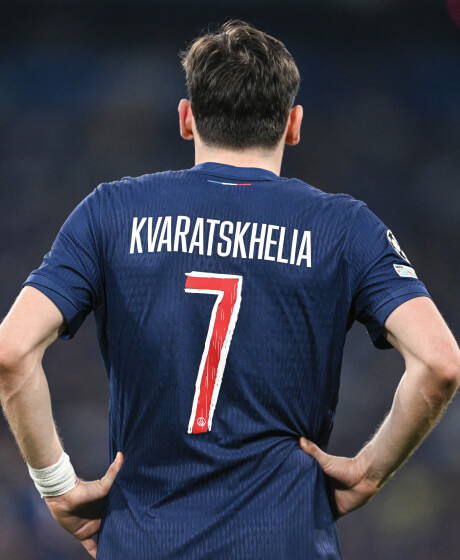
When a football team is founded, the members face two key decisions: choosing a name and picking colours. Current holders Paris Saint-Germain were formed in 1970 – the youngest club to have won the Champions League – and over their short life their home shirts have switched from red to white to the current blue, making them the most chameleonic rulers of the continent.

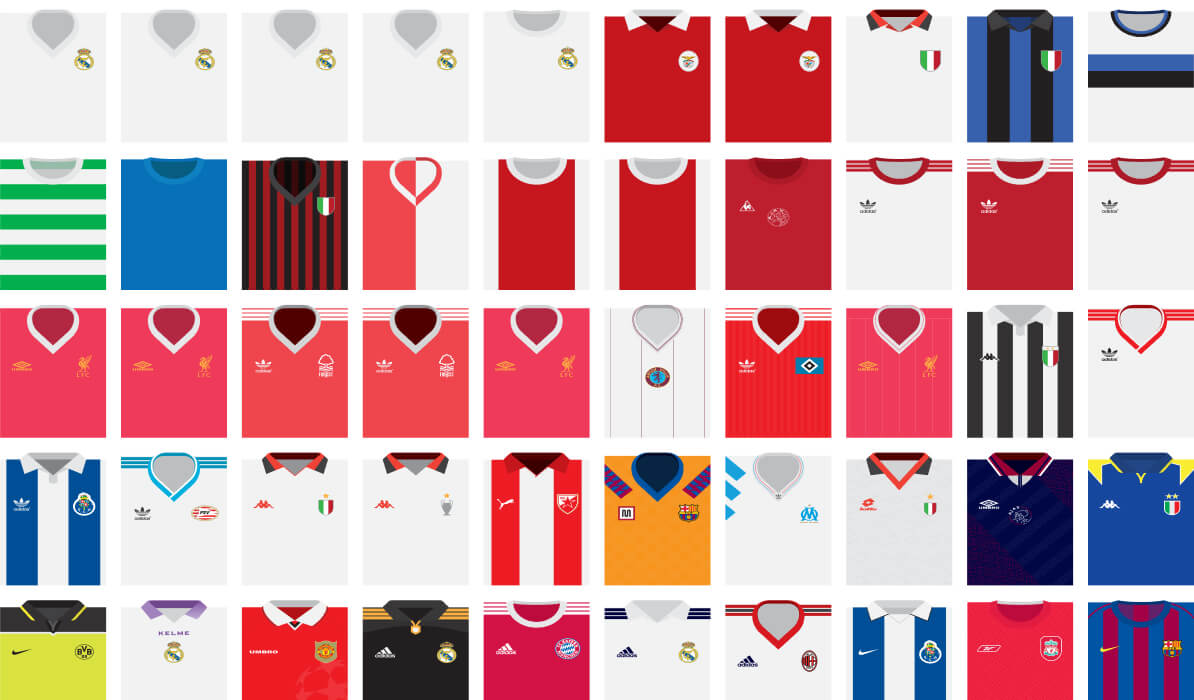
For anyone thinking of establishing a new club, history can provide clues on which shades are more likely to inspire victory in a Champions League final. Most people would likely suggest white as the most victorious livery, and they would be correct – teams adorned in shirts mimicking a fresh snowfall have lifted the trophy 26 times. One would be tempted to put that down to Real Madrid’s domination, but that’s not the full story; aside from the Spanish aristocrats and their 13 wins in white, many others have painted glory on a blank canvas. Indeed, clubs from six different countries have donned white to raise the silver, probably partly because, historically, white has been a convenient choice for an away strip.

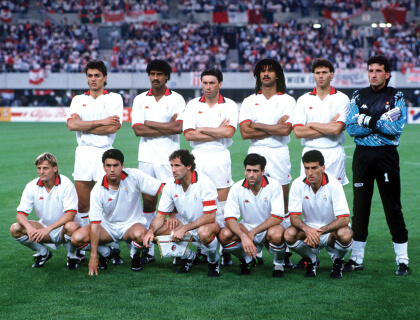
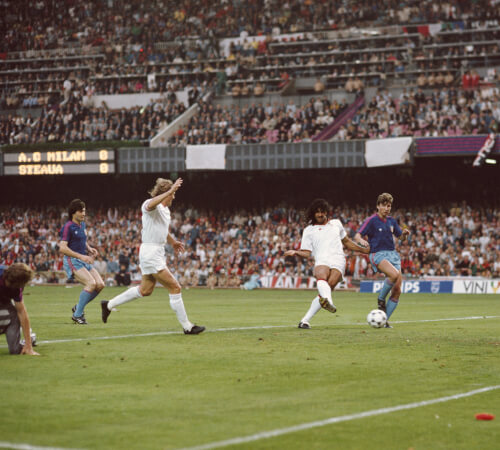
AC Milan became the first team to win the European Cup not in their home kit when they beat Benfica at Wembley in 1963 in a white strip. And that wasn’t the end of their love affair with bianco – it has become their lucky charm in showpieces ever since, only letting them down in 1995 and 2005. Overall, the Rossoneri have won six deciders in pristine white.

White has echoed nobility, good taste and sophistication from the 16th century onwards. But different possibilities from the spectrum stir up something stronger. English art historian Dr James Fox is a renowned colour expert, and his insights will not shock fans of Liverpool, Bayern München, Benfica and Nottingham Forest. In an interview with the British Library, he said, “Red raises heart rates and increases electrical activity in the brain. It also improves strength, speed and reaction time.” Sounds handy in a sporting contest.

“Varying versions of red have been the second most common presence on the winners’ podium”
“Johan Cruyff’s Barcelona threw on a very Dutch outfit at Wembley”

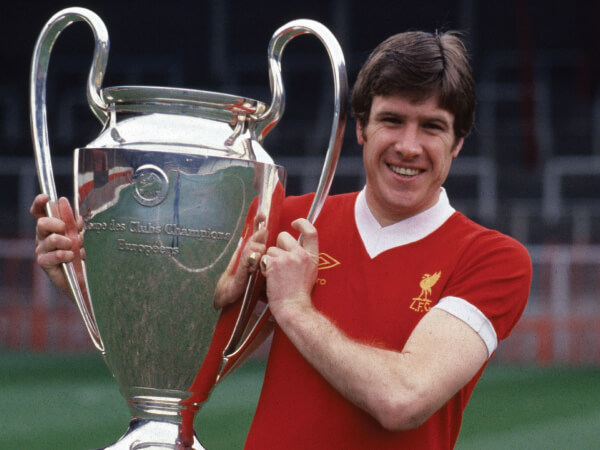
Indeed, varying versions of red have been the second most common presence on the winners’ podium, with 18 triumphs. Dr Fox also notes that the human brain aligns red with danger, passion, vitality and the very essence of our existence, blood. It is considered a bringer of luck and positivity in Asia, particularly China. For Liverpool, it’s certainly a lucky charm – they have won all of their six titles in their favoured crimson.

Some hues play tricks on the mind. Dr Fox says that “blue recedes from the eye; it draws you in, it has a depth to it. You can fall into it.” Manchester United won their first European Cup final in 1968 in a blue third kit, submerging Benfica 4-1. Likewise, Chelsea poured cold water on Bayern’s dreams in the 2012 final in Munich, and Paris’ attacking waves hypnotised, paralysed and pulverised Inter in 2025. And when it was the sky blue of Manchester City against the royal tone of Chelsea in 2021, the London club invited their opponents in and absorbed the pressure, before scoring the only goal of the game from a brilliant counterattack.

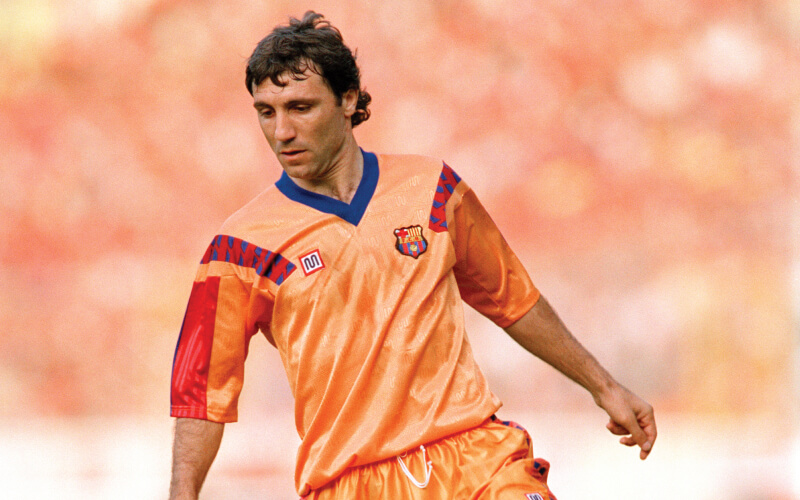
More unusual tints to seize the day include orange, yellow and purple. Johan Cruyff’s Barcelona threw on a very Dutch outfit when they won the last European Cup final at Wembley in 1992, while Borussia Dortmund are the sole carriers of the yellow flag after their shock success against Juventus in 1997. To be precise, that was a fluorescent, highlighter-esque rendering with large black sections – and when they switched to a more sedate gelb in 2013 and 2024, they finished runners-up.

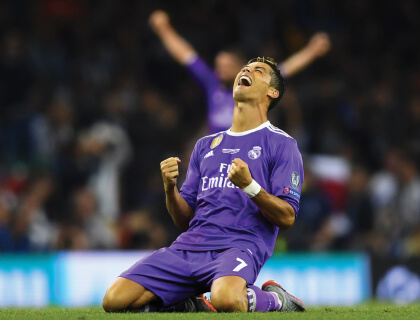
Fiorentina were the original purveyors of purple in the 1957 decider but fell at the final hurdle to Real Madrid. In an odd twist, the very same Spanish team became the only champs in that regal colour, in Cardiff in 2017. Purple has always symbolised extravagance and luxury, because historically it was a very difficult colour to tint fabric with. In Ancient Rome, a pound of purple dye cost more than a pound of gold, out of reach for all but the rulers and royals – and, in Cardiff, it was certainly worth its weight in gold to Los Blancos.

The 1999 final nearly ushered in the competition’s first-ever winners in grey, with Bayern seconds away from triumphing at the Camp Nou, but a quick Manchester United double meant the skies over Bavaria soon matched their kit – and we had yet another winner in red, while the wait for a champion in grey continues. On the subject of unorthodox runners-up, Sampdoria went toe-to-toe with eventual winners Barça in the ’92 final in white shirts with a series of blue, red and black bands across the middle. Were they hedging their bets by wearing as many colours as possible?

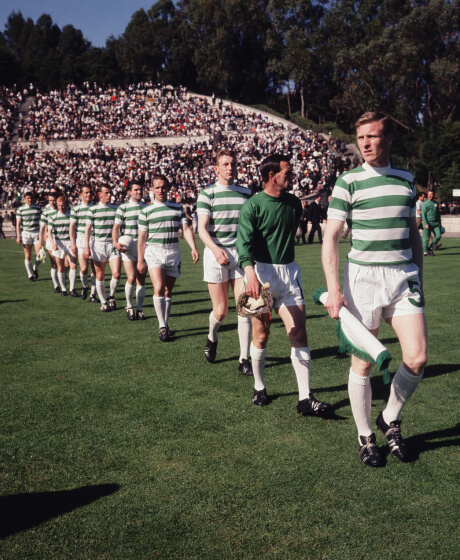
An honourable mention for Celtic, who recorded a slew of firsts in 1967. They are still the only team to triumph in green, without numbers and in hoops. Vertical stripes have a healthy ten appearances on the roll of honour, thanks to Barcelona, both Milan sides, Porto, Juventus and Crvena Zvezda, but Celtic are still the only horizontal representative.

So far, teams wearing red or white have had the most success when scaling the heights of European club football. That could explain Ajax’s first two triumphs in 1971 and 1972. Perhaps a mix of the two, i.e. pink, might be the perfect garment for those with an eye on continental supremacy. Is it time for Palermo fans to start dreaming?

For anyone thinking of establishing a new club, history can provide clues on which shades are more likely to inspire victory in a Champions League final. Most people would likely suggest white as the most victorious livery, and they would be correct – teams adorned in shirts mimicking a fresh snowfall have lifted the trophy 26 times. One would be tempted to put that down to Real Madrid’s domination, but that’s not the full story; aside from the Spanish aristocrats and their 13 wins in white, many others have painted glory on a blank canvas. Indeed, clubs from six different countries have donned white to raise the silver, probably partly because, historically, white has been a convenient choice for an away strip.

AC Milan became the first team to win the European Cup not in their home kit when they beat Benfica at Wembley in 1963 in a white strip. And that wasn’t the end of their love affair with bianco – it has become their lucky charm in showpieces ever since, only letting them down in 1995 and 2005. Overall, the Rossoneri have won six deciders in pristine white.

White has echoed nobility, good taste and sophistication from the 16th century onwards. But different possibilities from the spectrum stir up something stronger. English art historian Dr James Fox is a renowned colour expert, and his insights will not shock fans of Liverpool, Bayern München, Benfica and Nottingham Forest. In an interview with the British Library, he said, “Red raises heart rates and increases electrical activity in the brain. It also improves strength, speed and reaction time.” Sounds handy in a sporting contest.

Read the full story
Sign up now to get access to this and every premium feature on Champions Journal. You will also get access to member-only competitions and offers. And you get all of that completely free!
“Varying versions of red have been the second most common presence on the winners’ podium”
“Johan Cruyff’s Barcelona threw on a very Dutch outfit at Wembley”

Indeed, varying versions of red have been the second most common presence on the winners’ podium, with 18 triumphs. Dr Fox also notes that the human brain aligns red with danger, passion, vitality and the very essence of our existence, blood. It is considered a bringer of luck and positivity in Asia, particularly China. For Liverpool, it’s certainly a lucky charm – they have won all of their six titles in their favoured crimson.

Some hues play tricks on the mind. Dr Fox says that “blue recedes from the eye; it draws you in, it has a depth to it. You can fall into it.” Manchester United won their first European Cup final in 1968 in a blue third kit, submerging Benfica 4-1. Likewise, Chelsea poured cold water on Bayern’s dreams in the 2012 final in Munich, and Paris’ attacking waves hypnotised, paralysed and pulverised Inter in 2025. And when it was the sky blue of Manchester City against the royal tone of Chelsea in 2021, the London club invited their opponents in and absorbed the pressure, before scoring the only goal of the game from a brilliant counterattack.

More unusual tints to seize the day include orange, yellow and purple. Johan Cruyff’s Barcelona threw on a very Dutch outfit when they won the last European Cup final at Wembley in 1992, while Borussia Dortmund are the sole carriers of the yellow flag after their shock success against Juventus in 1997. To be precise, that was a fluorescent, highlighter-esque rendering with large black sections – and when they switched to a more sedate gelb in 2013 and 2024, they finished runners-up.

Fiorentina were the original purveyors of purple in the 1957 decider but fell at the final hurdle to Real Madrid. In an odd twist, the very same Spanish team became the only champs in that regal colour, in Cardiff in 2017. Purple has always symbolised extravagance and luxury, because historically it was a very difficult colour to tint fabric with. In Ancient Rome, a pound of purple dye cost more than a pound of gold, out of reach for all but the rulers and royals – and, in Cardiff, it was certainly worth its weight in gold to Los Blancos.

The 1999 final nearly ushered in the competition’s first-ever winners in grey, with Bayern seconds away from triumphing at the Camp Nou, but a quick Manchester United double meant the skies over Bavaria soon matched their kit – and we had yet another winner in red, while the wait for a champion in grey continues. On the subject of unorthodox runners-up, Sampdoria went toe-to-toe with eventual winners Barça in the ’92 final in white shirts with a series of blue, red and black bands across the middle. Were they hedging their bets by wearing as many colours as possible?

An honourable mention for Celtic, who recorded a slew of firsts in 1967. They are still the only team to triumph in green, without numbers and in hoops. Vertical stripes have a healthy ten appearances on the roll of honour, thanks to Barcelona, both Milan sides, Porto, Juventus and Crvena Zvezda, but Celtic are still the only horizontal representative.

So far, teams wearing red or white have had the most success when scaling the heights of European club football. That could explain Ajax’s first two triumphs in 1971 and 1972. Perhaps a mix of the two, i.e. pink, might be the perfect garment for those with an eye on continental supremacy. Is it time for Palermo fans to start dreaming?

For anyone thinking of establishing a new club, history can provide clues on which shades are more likely to inspire victory in a Champions League final. Most people would likely suggest white as the most victorious livery, and they would be correct – teams adorned in shirts mimicking a fresh snowfall have lifted the trophy 26 times. One would be tempted to put that down to Real Madrid’s domination, but that’s not the full story; aside from the Spanish aristocrats and their 13 wins in white, many others have painted glory on a blank canvas. Indeed, clubs from six different countries have donned white to raise the silver, probably partly because, historically, white has been a convenient choice for an away strip.

AC Milan became the first team to win the European Cup not in their home kit when they beat Benfica at Wembley in 1963 in a white strip. And that wasn’t the end of their love affair with bianco – it has become their lucky charm in showpieces ever since, only letting them down in 1995 and 2005. Overall, the Rossoneri have won six deciders in pristine white.

White has echoed nobility, good taste and sophistication from the 16th century onwards. But different possibilities from the spectrum stir up something stronger. English art historian Dr James Fox is a renowned colour expert, and his insights will not shock fans of Liverpool, Bayern München, Benfica and Nottingham Forest. In an interview with the British Library, he said, “Red raises heart rates and increases electrical activity in the brain. It also improves strength, speed and reaction time.” Sounds handy in a sporting contest.

“Varying versions of red have been the second most common presence on the winners’ podium”
“Johan Cruyff’s Barcelona threw on a very Dutch outfit at Wembley”

Indeed, varying versions of red have been the second most common presence on the winners’ podium, with 18 triumphs. Dr Fox also notes that the human brain aligns red with danger, passion, vitality and the very essence of our existence, blood. It is considered a bringer of luck and positivity in Asia, particularly China. For Liverpool, it’s certainly a lucky charm – they have won all of their six titles in their favoured crimson.

Some hues play tricks on the mind. Dr Fox says that “blue recedes from the eye; it draws you in, it has a depth to it. You can fall into it.” Manchester United won their first European Cup final in 1968 in a blue third kit, submerging Benfica 4-1. Likewise, Chelsea poured cold water on Bayern’s dreams in the 2012 final in Munich, and Paris’ attacking waves hypnotised, paralysed and pulverised Inter in 2025. And when it was the sky blue of Manchester City against the royal tone of Chelsea in 2021, the London club invited their opponents in and absorbed the pressure, before scoring the only goal of the game from a brilliant counterattack.

More unusual tints to seize the day include orange, yellow and purple. Johan Cruyff’s Barcelona threw on a very Dutch outfit when they won the last European Cup final at Wembley in 1992, while Borussia Dortmund are the sole carriers of the yellow flag after their shock success against Juventus in 1997. To be precise, that was a fluorescent, highlighter-esque rendering with large black sections – and when they switched to a more sedate gelb in 2013 and 2024, they finished runners-up.

Fiorentina were the original purveyors of purple in the 1957 decider but fell at the final hurdle to Real Madrid. In an odd twist, the very same Spanish team became the only champs in that regal colour, in Cardiff in 2017. Purple has always symbolised extravagance and luxury, because historically it was a very difficult colour to tint fabric with. In Ancient Rome, a pound of purple dye cost more than a pound of gold, out of reach for all but the rulers and royals – and, in Cardiff, it was certainly worth its weight in gold to Los Blancos.

The 1999 final nearly ushered in the competition’s first-ever winners in grey, with Bayern seconds away from triumphing at the Camp Nou, but a quick Manchester United double meant the skies over Bavaria soon matched their kit – and we had yet another winner in red, while the wait for a champion in grey continues. On the subject of unorthodox runners-up, Sampdoria went toe-to-toe with eventual winners Barça in the ’92 final in white shirts with a series of blue, red and black bands across the middle. Were they hedging their bets by wearing as many colours as possible?

An honourable mention for Celtic, who recorded a slew of firsts in 1967. They are still the only team to triumph in green, without numbers and in hoops. Vertical stripes have a healthy ten appearances on the roll of honour, thanks to Barcelona, both Milan sides, Porto, Juventus and Crvena Zvezda, but Celtic are still the only horizontal representative.

So far, teams wearing red or white have had the most success when scaling the heights of European club football. That could explain Ajax’s first two triumphs in 1971 and 1972. Perhaps a mix of the two, i.e. pink, might be the perfect garment for those with an eye on continental supremacy. Is it time for Palermo fans to start dreaming?

Culture
Top kits

Some of our favourite winning kits from across the decades

Juventus, 1996

Yellow and blue are the official city colours of Turin, so as an alternative for the Bianconeri, they have always been a natural fit. The version used in the 1996 final had two eye-catching stars on each shoulder.

Real Madrid, 2017

Something of a 1980s throwback, this shirt almost outshone Cristiano Ronaldo. The Portuguese contributed a devasting double as Real and their glossy purple tops hammered Juve 4-1 in Cardiff.

Ajax, 1972

There was something about those white shirts with an extra-wide red stripe down the centre that made Ajax’s versatile dancers seem even more nimble and willowy; Inter didn’t get near them all night.

Inter, 1965

A white shirt with a design callback to the home kit was the classic 20th-century away style of calcio. Inter defended their title in 1965 in a white top featuring a thick black crew neck and their blue and black on show via two horizontal bands.

Dortmund, 1997

“How neon can we make it? Can we go crazy?” These might or might not have been the words of BVB’s shirt designers, we will simply never know. But these luminous yellow kits certainly left Juve dazed and dethroned.

Culture
Top kits

Some of our favourite winning kits from across the decades

Juventus, 1996

Yellow and blue are the official city colours of Turin, so as an alternative for the Bianconeri, they have always been a natural fit. The version used in the 1996 final had two eye-catching stars on each shoulder.

Real Madrid, 2017

Something of a 1980s throwback, this shirt almost outshone Cristiano Ronaldo. The Portuguese contributed a devasting double as Real and their glossy purple tops hammered Juve 4-1 in Cardiff.

Ajax, 1972

There was something about those white shirts with an extra-wide red stripe down the centre that made Ajax’s versatile dancers seem even more nimble and willowy; Inter didn’t get near them all night.

Inter, 1965

A white shirt with a design callback to the home kit was the classic 20th-century away style of calcio. Inter defended their title in 1965 in a white top featuring a thick black crew neck and their blue and black on show via two horizontal bands.

Dortmund, 1997

“How neon can we make it? Can we go crazy?” These might or might not have been the words of BVB’s shirt designers, we will simply never know. But these luminous yellow kits certainly left Juve dazed and dethroned.

Culture
Top kits

Some of our favourite winning kits from across the decades

Juventus, 1996

Yellow and blue are the official city colours of Turin, so as an alternative for the Bianconeri, they have always been a natural fit. The version used in the 1996 final had two eye-catching stars on each shoulder.

Real Madrid, 2017

Something of a 1980s throwback, this shirt almost outshone Cristiano Ronaldo. The Portuguese contributed a devasting double as Real and their glossy purple tops hammered Juve 4-1 in Cardiff.

Ajax, 1972

There was something about those white shirts with an extra-wide red stripe down the centre that made Ajax’s versatile dancers seem even more nimble and willowy; Inter didn’t get near them all night.

Inter, 1965

A white shirt with a design callback to the home kit was the classic 20th-century away style of calcio. Inter defended their title in 1965 in a white top featuring a thick black crew neck and their blue and black on show via two horizontal bands.

Dortmund, 1997

“How neon can we make it? Can we go crazy?” These might or might not have been the words of BVB’s shirt designers, we will simply never know. But these luminous yellow kits certainly left Juve dazed and dethroned.

To access this article, as well as all CJ+ content and competitions, you will need a subscription to Champions Journal.
Already a subscriber? Sign in
close
END OF JANUARY SALE
christmas offer
Christmas CHEER
Up to 40% off
Start shopping
50% off!
Win two tickets to the UEFA Champions League final
And receive a free Champions Travel
eSIM when you enter
enter now
0
Days
0
Hrs
0
Mins
0
Secs
This element will display when the countdown is finished.