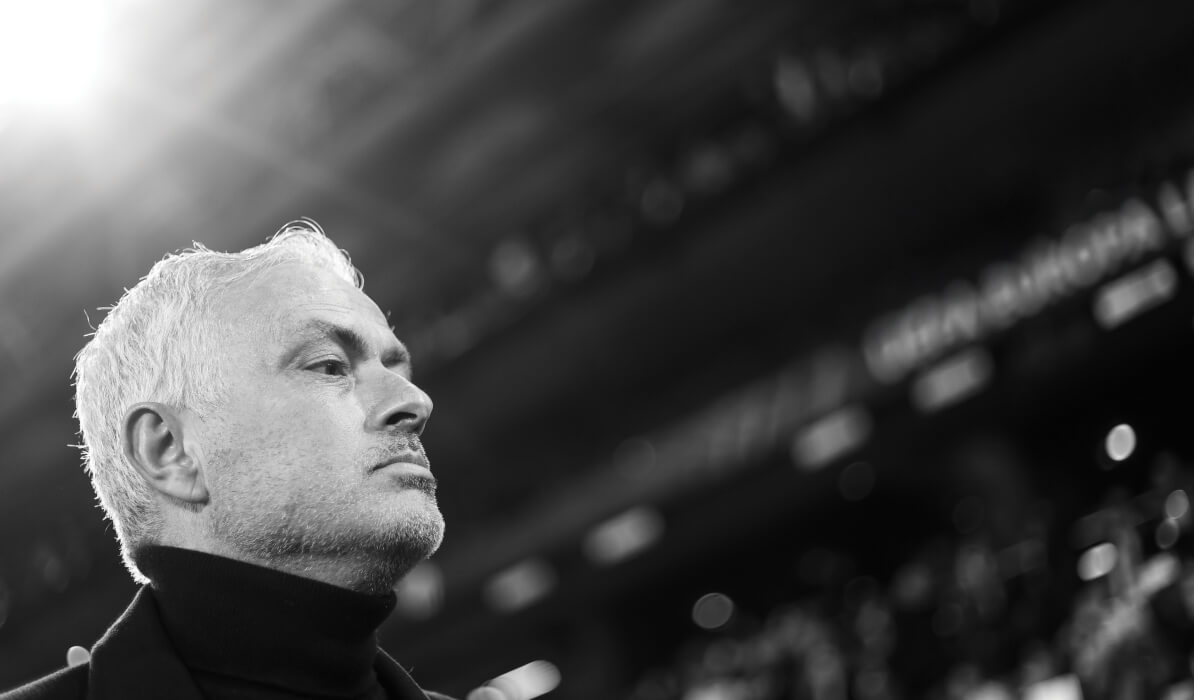
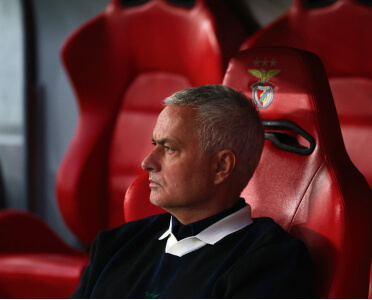
José Mourinho has always been box office. The swaggering star of the show. A brooding life force in a trench coat, standing slap bang at the centre of attention. Ever since his breakthrough as a dashing young coach at Porto, Mourinho has been impossible to ignore, his talents and trophies combining with a unique gift for generating headlines.
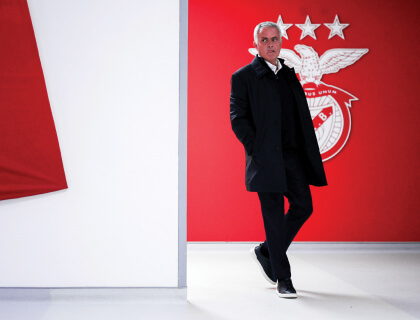
Rarely, however, have any of those headlines felt touching or sentimental, perhaps even endearing – and yet here we are, witnessing his return home to Portugal with Benfica, a humbler figure today than when the club gave him his first job as a head coach 25 years ago. Humbler – “more altruistic”, the 62-year-old puts it – but not humbled.
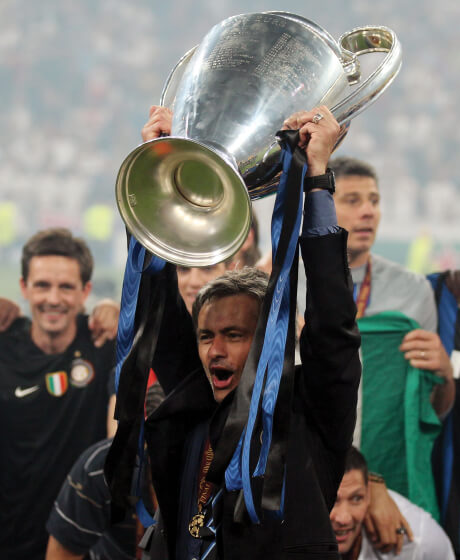
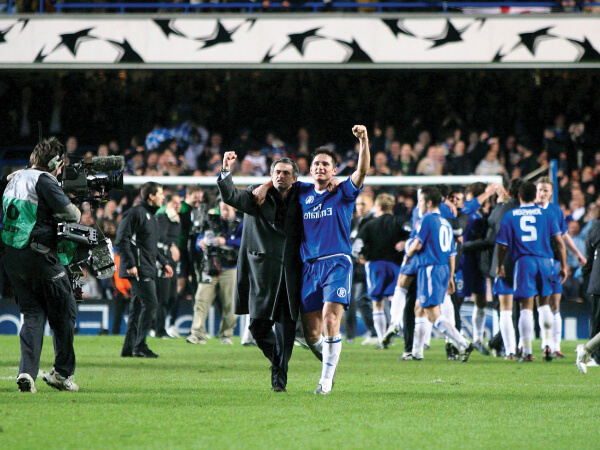
A lot has happened in between. Champions League glory with Porto and Inter Milan top the list, plus his transformative effect on Chelsea, where he oversaw their first league title for 50 years. He is also the only manager with a full set of Champions League, Europa League and Conference League wins.
It was Benfica who knocked out Mourinho’s Fenerbahçe in the Champions League play-offs in August and now, by a twist of fate, he is back at the Lisbon club where he had an 11-game tenure in 2000 – and back too in the Champions League after a six-year absence. He was also, of course, back at the centre of attention as Benfica travelled to Chelsea on his return to the competition in September. Here, he explains why the fire inside still burns.
What does returning to Benfica mean to you?
Returning to Benfica is returning to a giant club. I’ve been lucky in my career to coach a lot of giants – Real Madrid, Inter, Manchester United, Chelsea. A giant club entails giant responsibilities, giant expectations. But it’s the kind of challenge I need.
And how does it feel to be back in the Champions League?
The years when I didn’t play in the Champions League weren’t bad. They weren’t bad, because I played in the finals of the Europa League and the Conference League, which means I can say that, even without the Champions League, I was happy in European competitions. Obviously, the Champions League is the biggest competition, the competition with the most important clubs in Europe. And, for me, obviously it means a lot, because if winning one is a dream for everyone, winning two is even better.
You’ve won it all in your career. How do you maintain that hunger?
It’s our nature. If one day I feel less joy when I wake up early to come to work; if one day I feel less joy after winning a game; if one day I feel less sadness after losing… If something changes, then that will be like a red light turning on. As long as that red light isn’t on, it’s our nature. Maybe it’s because of that nature that we’ve won so much, and it’s what keeps us steady to the end. For example, I recall a Champions League game, Manchester United vs Real Madrid, when I was at Madrid and Sir Alex [Ferguson] was at United. I was in his office and asked him, “Sir Alex, does this ever change – in terms of the tension and adrenaline we feel before such an important game?” He said, “No, it never changes. It’s the same until the end.” More than ten years have passed, and my feelings don’t change. There are no red lights. I’m still the same as I’ve always been.
With a career that spans over 25 years, how do you describe the José Mourinho of back then to the José Mourinho of today?
As a coach, I think I’m better today than I was before. I think that any coach who is self-aware, who thinks a lot, who really analyses the experiences they’ve been through, is better after going through many experiences. The feeling of déjà vu can leave a mark and prepare you for whatever lies ahead. I feel stronger, I feel that I’m a better coach than before. As a person, you have the same DNA. You live and you die with it – there’s no other way. However, as a person, there are differences. The main difference I recognise in myself is the fact that maybe, in the beginning, I was more self-centred, and I’ve changed in a way. I feel like I’m more altruistic. I feel like I’m in football to help others, rather than to help myself. I’m here to help my players, more than to think about what’s going to happen in my life in the next few years. I think more about the club, I think more about the fans’ joy, more than about me. And I think that’s also a natural path. That doesn’t take anything from me as a coach but, as a person, it gives me a different side that I really like living with.
Looking back at those earlier years, there were perhaps some people who said you were intense and didn’t fear confrontation.
I’m still the same, though. It’s one thing to deliberately look for conflict, but it’s another thing when conflict appears in front of you or if it comes after you. If conflict appears in front of me, I’ll confront it. If conflict comes after me, we will clash. But when it comes to looking for conflict… I must confess that emotional stability helps us to have a different perspective.
What is your fondest memory from your career so far?
Perhaps the first trophy I won, the first championship I won [with Porto in 2002/03]. Like many things in life, first times always have a meaning – a different kind of meaning. Afterwards, it becomes a responsibility because when you do something important, the focus is on you. People always expect more from you. But I think that more than the dimension of the first competition – which, for me, wasn’t the Champions League or the Europa League, it was simply the Portuguese league title – the first time you think “I won” is powerful.
You’ve been described in the past as a genius and as a provocateur.
Like the Devil.