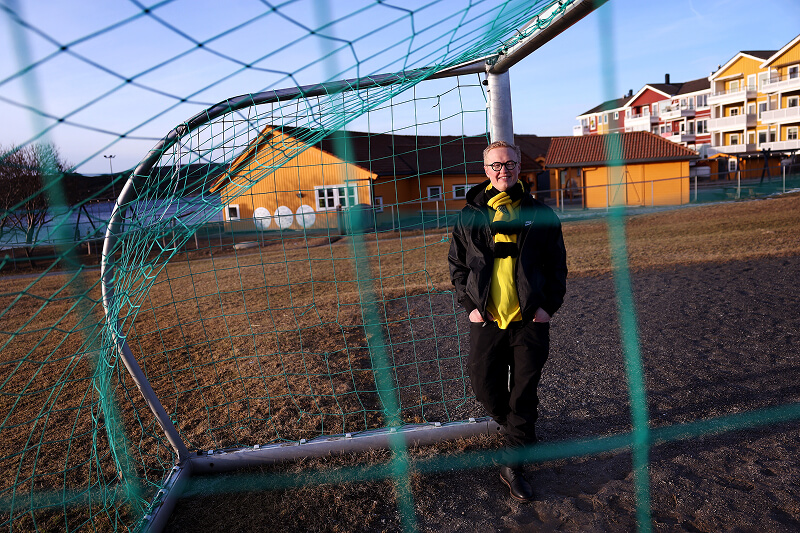
I have followed Bodø/Glimt’s journey as a researcher, pundit and commentator. I have been the spokesman for the supporters’ club, talked to key figures and attended board meetings. But my favourite role by far has been to cheer the team on as a fan, and never more so than during their fairy-tale run to the Champions League round of 16 this season.
For everyone in Bodø, simply just reaching the Champions League was special, and we all understood we may never get to experience it again. It was the moment of our lives, and most people in town took Champions League matchdays off from work, meaning that they could get to the pub early, enjoy themselves and join the procession to the stadium. I’d never seen so many people in the town centre, nor in the pubs after matches, with many arriving from all over Norway simply to sample the atmosphere. Some locals, like myself, also took a day or two off work after the games just to read the news reports and maybe watch the whole thing again on TV.
Like those Norwegians visiting Bodø to see what all the fuss was about, I too first came here as an outsider, travelling around 1,000 kilometres from Halden in the south to complete my PhD in 2018. Before then, I’d never been to northern Norway. In fact, all I knew about Bodø was the football team. So, the first thing I did when I arrived was buy a season ticket at Aspmyra, and since then I’ve watched every single home game – and I think I can still count all the losses on my fingers.
When I first moved here, Bodø/Glimt had just returned to the top tier. That was no small feat in itself. In the 1980s, they weren’t even the best team in a town with fewer than 30,000 inhabitants. Up until then, northern Norwegian clubs had to play an extra qualification round just to reach the top division. This was a time when people from the north had to hide their accents down south to be accepted socially, all of which made Bodø/Glimt’s Norwegian Cup win in 1975 a huge source of pride for northerners.
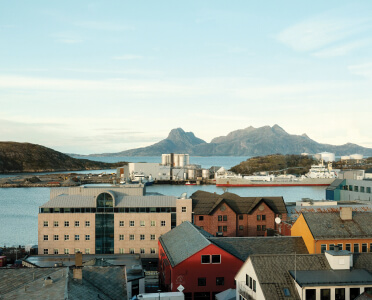
Their progress over the last eight years has easily eclipsed that. It’s truly been one of the greatest underdog stories in football history, a team on the verge of bankruptcy and unable to feed their own players breakfast becoming one of the 16 best in Europe. And with all the odds stacked against them too: economic, demographic and geographic, Bodø/Glimt being a democratic, member-based club located in a small, isolated and windy town 100 kilometres inside the Arctic Circle. The closest city with at least 30,000 inhabitants is Tromsø, a ten-hour drive away.
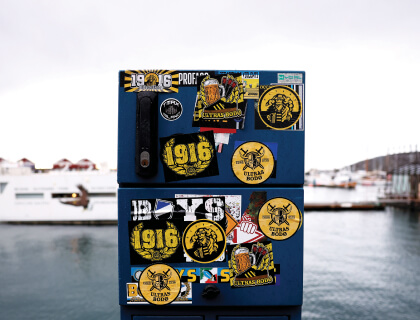
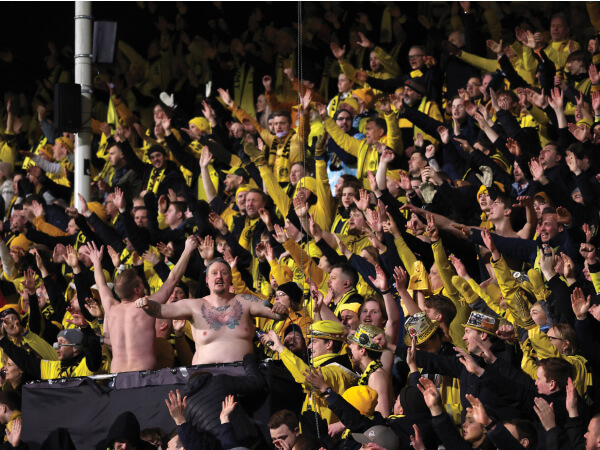
Nobody could match their results in the early months of 2026. With three games left in the league phase, Bodø/Glimt had a 0.3 per cent chance of reaching the round of 16, needing to take seven points from nine against Dortmund, Manchester City and Atlético de Madrid just to squeeze into the knockout phase play-offs. To make things even more difficult, they were still in their off-season, having not played a league game since November – a league they did not win. But after drawing with Dortmund in December, Kjetil Knutsen’s side went on to record consecutive victories against City, Atlético, Inter Milan (twice!) and Sporting CP, before eventually being denied a quarter-final spot by the Lisbon outfit.
If I must pick one memory, I choose Jens Petter Hauge’s wondergoal when we went up 3-0 against City. I couldn’t believe it and still can’t. And of course I’ll never forget the away trip to Milan, the most absurd days of my life.
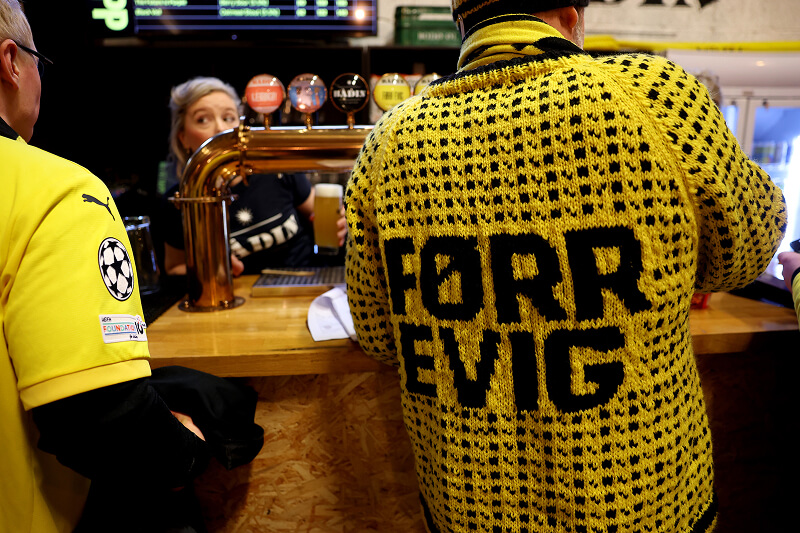
To beat Inter, finalists in two of the last three seasons, and to do it both home and away was a stunning achievement. Every single Inter player cost more to sign than the entire Bodø/Glimt squad. And while the Nerazzurri boast players from all over the world, Glimt have nine Norwegians in their typical starting 11, around half of whom were raised in Bodø.
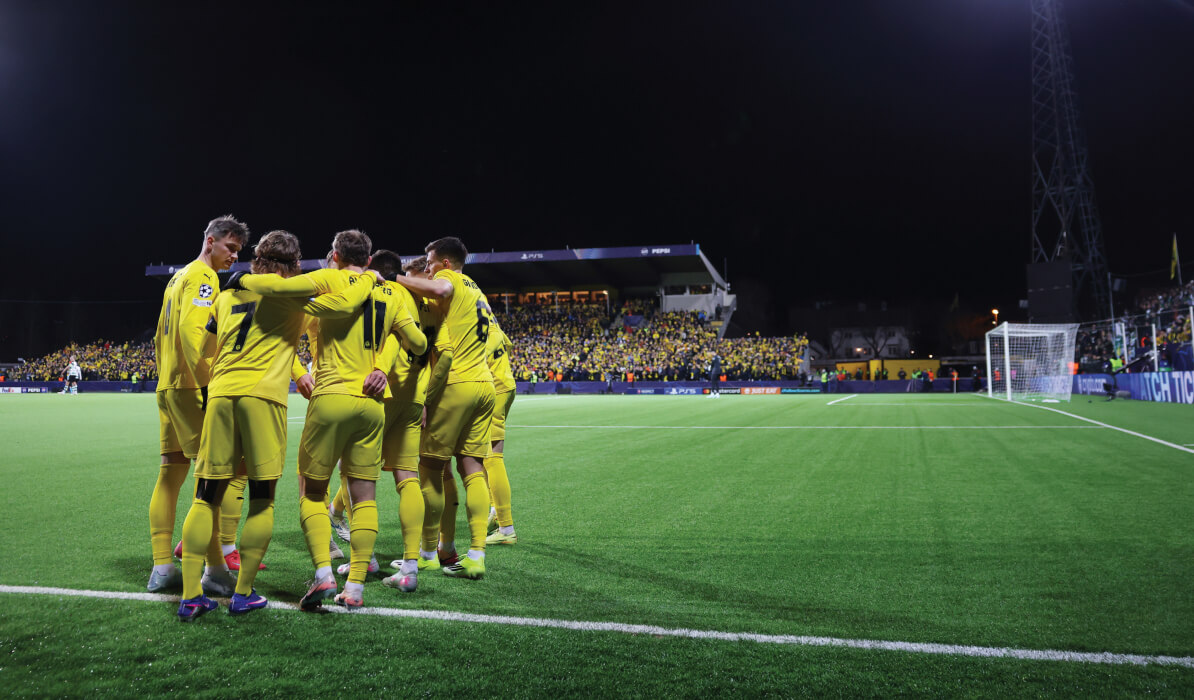
On top of that, if you placed the entire population of Bodø inside Inter’s San Siro stadium, there would still be around 30,000 empty seats. Compare that to Aspmyra, Bodø/Glimt’s rusty old ground which can only hold 8,000 spectators.
That ought to give you an idea about the place. Basically, Bodø is so tiny that you don’t need a car. You can walk everywhere, and everybody knows everyone. My first impression of Bodø was the amazing nature and the open-minded people. People up north are very outspoken and inclusive. In fact, some of the players even attend my lectures at Nord University, where I’m an associate professor in the sociology of sport. I think Fredrik André Bjørkan, Oscar Kapskarmo and Morten Konradsen are the players who have attended the university most recently.

The most unique thing about Bodø, at least in a football context, is that it is extremely small and welcoming. Only in Bodø can you run into world-class footballers at the local store or watch Champions League games from your bedroom (if you live in one of the apartments overlooking Aspmyra). And, if you want, you can enter the stadium and talk to the players and staff – nobody stops you as there is a high level of trust among locals.
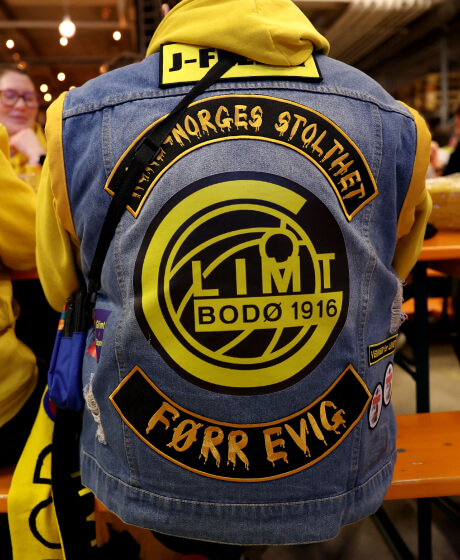
If you define a football city as a city where it’s blindingly obvious on matchdays that a game is coming, then Bodø is a football city. The locals identify with the club because it’s been the greatest symbol of the northern Norwegian identity for decades, and now it’s put Bodø on the international map. For home games, about 20 per cent of the local population turn up to watch. For away games, around 5 per cent hit the road. The recent Champions League run was not only the best period in the club’s history but also the best in the lives of the fans, who came together and celebrated like never before.
The list of firsts just kept getting longer. Already the northernmost team in world football to be crowned national champions, Bodø/Glimt became the first club from inside the Arctic Circle to play in the Champions League this term, and they topped that by becoming the first Norwegian side to win a Champions League knockout game. A feat they achieved three times, their elimination of Inter going down as one of the biggest shocks in European Cup history.
Bodø/Glimt challenge everything we thought we knew about modern football. The fact that they were able to build themselves up from nothing and defeat some of the best teams in Europe proved that David can still beat Goliath. And not by chance or once in a blue moon – but convincingly and consistently. There has never been better football played further north in the world. One of the planet’s best teams is currently based in Bodø. That is a victory for the sport itself.
In the 1970s, Bodø/Glimt were the hope of the region. Now they are the hope of football.
I have followed Bodø/Glimt’s journey as a researcher, pundit and commentator. I have been the spokesman for the supporters’ club, talked to key figures and attended board meetings. But my favourite role by far has been to cheer the team on as a fan, and never more so than during their fairy-tale run to the Champions League round of 16 this season.
For everyone in Bodø, simply just reaching the Champions League was special, and we all understood we may never get to experience it again. It was the moment of our lives, and most people in town took Champions League matchdays off from work, meaning that they could get to the pub early, enjoy themselves and join the procession to the stadium. I’d never seen so many people in the town centre, nor in the pubs after matches, with many arriving from all over Norway simply to sample the atmosphere. Some locals, like myself, also took a day or two off work after the games just to read the news reports and maybe watch the whole thing again on TV.
Like those Norwegians visiting Bodø to see what all the fuss was about, I too first came here as an outsider, travelling around 1,000 kilometres from Halden in the south to complete my PhD in 2018. Before then, I’d never been to northern Norway. In fact, all I knew about Bodø was the football team. So, the first thing I did when I arrived was buy a season ticket at Aspmyra, and since then I’ve watched every single home game – and I think I can still count all the losses on my fingers.
When I first moved here, Bodø/Glimt had just returned to the top tier. That was no small feat in itself. In the 1980s, they weren’t even the best team in a town with fewer than 30,000 inhabitants. Up until then, northern Norwegian clubs had to play an extra qualification round just to reach the top division. This was a time when people from the north had to hide their accents down south to be accepted socially, all of which made Bodø/Glimt’s Norwegian Cup win in 1975 a huge source of pride for northerners.
Their progress over the last eight years has easily eclipsed that. It’s truly been one of the greatest underdog stories in football history, a team on the verge of bankruptcy and unable to feed their own players breakfast becoming one of the 16 best in Europe. And with all the odds stacked against them too: economic, demographic and geographic, Bodø/Glimt being a democratic, member-based club located in a small, isolated and windy town 100 kilometres inside the Arctic Circle. The closest city with at least 30,000 inhabitants is Tromsø, a ten-hour drive away.


Nobody could match their results in the early months of 2026. With three games left in the league phase, Bodø/Glimt had a 0.3 per cent chance of reaching the round of 16, needing to take seven points from nine against Dortmund, Manchester City and Atlético de Madrid just to squeeze into the knockout phase play-offs. To make things even more difficult, they were still in their off-season, having not played a league game since November – a league they did not win. But after drawing with Dortmund in December, Kjetil Knutsen’s side went on to record consecutive victories against City, Atlético, Inter Milan (twice!) and Sporting CP, before eventually being denied a quarter-final spot by the Lisbon outfit.
If I must pick one memory, I choose Jens Petter Hauge’s wondergoal when we went up 3-0 against City. I couldn’t believe it and still can’t. And of course I’ll never forget the away trip to Milan, the most absurd days of my life.
To beat Inter, finalists in two of the last three seasons, and to do it both home and away was a stunning achievement. Every single Inter player cost more to sign than the entire Bodø/Glimt squad. And while the Nerazzurri boast players from all over the world, Glimt have nine Norwegians in their typical starting 11, around half of whom were raised in Bodø.
On top of that, if you placed the entire population of Bodø inside Inter’s San Siro stadium, there would still be around 30,000 empty seats. Compare that to Aspmyra, Bodø/Glimt’s rusty old ground which can only hold 8,000 spectators.
That ought to give you an idea about the place. Basically, Bodø is so tiny that you don’t need a car. You can walk everywhere, and everybody knows everyone. My first impression of Bodø was the amazing nature and the open-minded people. People up north are very outspoken and inclusive. In fact, some of the players even attend my lectures at Nord University, where I’m an associate professor in the sociology of sport. I think Fredrik André Bjørkan, Oscar Kapskarmo and Morten Konradsen are the players who have attended the university most recently.
The most unique thing about Bodø, at least in a football context, is that it is extremely small and welcoming. Only in Bodø can you run into world-class footballers at the local store or watch Champions League games from your bedroom (if you live in one of the apartments overlooking Aspmyra). And, if you want, you can enter the stadium and talk to the players and staff – nobody stops you as there is a high level of trust among locals.
If you define a football city as a city where it’s blindingly obvious on matchdays that a game is coming, then Bodø is a football city. The locals identify with the club because it’s been the greatest symbol of the northern Norwegian identity for decades, and now it’s put Bodø on the international map. For home games, about 20 per cent of the local population turn up to watch. For away games, around 5 per cent hit the road. The recent Champions League run was not only the best period in the club’s history but also the best in the lives of the fans, who came together and celebrated like never before.
The list of firsts just kept getting longer. Already the northernmost team in world football to be crowned national champions, Bodø/Glimt became the first club from inside the Arctic Circle to play in the Champions League this term, and they topped that by becoming the first Norwegian side to win a Champions League knockout game. A feat they achieved three times, their elimination of Inter going down as one of the biggest shocks in European Cup history.
Bodø/Glimt challenge everything we thought we knew about modern football. The fact that they were able to build themselves up from nothing and defeat some of the best teams in Europe proved that David can still beat Goliath. And not by chance or once in a blue moon – but convincingly and consistently. There has never been better football played further north in the world. One of the planet’s best teams is currently based in Bodø. That is a victory for the sport itself.
In the 1970s, Bodø/Glimt were the hope of the region. Now they are the hope of football.
I have followed Bodø/Glimt’s journey as a researcher, pundit and commentator. I have been the spokesman for the supporters’ club, talked to key figures and attended board meetings. But my favourite role by far has been to cheer the team on as a fan, and never more so than during their fairy-tale run to the Champions League round of 16 this season.
For everyone in Bodø, simply just reaching the Champions League was special, and we all understood we may never get to experience it again. It was the moment of our lives, and most people in town took Champions League matchdays off from work, meaning that they could get to the pub early, enjoy themselves and join the procession to the stadium. I’d never seen so many people in the town centre, nor in the pubs after matches, with many arriving from all over Norway simply to sample the atmosphere. Some locals, like myself, also took a day or two off work after the games just to read the news reports and maybe watch the whole thing again on TV.
Like those Norwegians visiting Bodø to see what all the fuss was about, I too first came here as an outsider, travelling around 1,000 kilometres from Halden in the south to complete my PhD in 2018. Before then, I’d never been to northern Norway. In fact, all I knew about Bodø was the football team. So, the first thing I did when I arrived was buy a season ticket at Aspmyra, and since then I’ve watched every single home game – and I think I can still count all the losses on my fingers.
When I first moved here, Bodø/Glimt had just returned to the top tier. That was no small feat in itself. In the 1980s, they weren’t even the best team in a town with fewer than 30,000 inhabitants. Up until then, northern Norwegian clubs had to play an extra qualification round just to reach the top division. This was a time when people from the north had to hide their accents down south to be accepted socially, all of which made Bodø/Glimt’s Norwegian Cup win in 1975 a huge source of pride for northerners.
Their progress over the last eight years has easily eclipsed that. It’s truly been one of the greatest underdog stories in football history, a team on the verge of bankruptcy and unable to feed their own players breakfast becoming one of the 16 best in Europe. And with all the odds stacked against them too: economic, demographic and geographic, Bodø/Glimt being a democratic, member-based club located in a small, isolated and windy town 100 kilometres inside the Arctic Circle. The closest city with at least 30,000 inhabitants is Tromsø, a ten-hour drive away.
Nobody could match their results in the early months of 2026. With three games left in the league phase, Bodø/Glimt had a 0.3 per cent chance of reaching the round of 16, needing to take seven points from nine against Dortmund, Manchester City and Atlético de Madrid just to squeeze into the knockout phase play-offs. To make things even more difficult, they were still in their off-season, having not played a league game since November – a league they did not win. But after drawing with Dortmund in December, Kjetil Knutsen’s side went on to record consecutive victories against City, Atlético, Inter Milan (twice!) and Sporting CP, before eventually being denied a quarter-final spot by the Lisbon outfit.
If I must pick one memory, I choose Jens Petter Hauge’s wondergoal when we went up 3-0 against City. I couldn’t believe it and still can’t. And of course I’ll never forget the away trip to Milan, the most absurd days of my life.
To beat Inter, finalists in two of the last three seasons, and to do it both home and away was a stunning achievement. Every single Inter player cost more to sign than the entire Bodø/Glimt squad. And while the Nerazzurri boast players from all over the world, Glimt have nine Norwegians in their typical starting 11, around half of whom were raised in Bodø.
On top of that, if you placed the entire population of Bodø inside Inter’s San Siro stadium, there would still be around 30,000 empty seats. Compare that to Aspmyra, Bodø/Glimt’s rusty old ground which can only hold 8,000 spectators.
That ought to give you an idea about the place. Basically, Bodø is so tiny that you don’t need a car. You can walk everywhere, and everybody knows everyone. My first impression of Bodø was the amazing nature and the open-minded people. People up north are very outspoken and inclusive. In fact, some of the players even attend my lectures at Nord University, where I’m an associate professor in the sociology of sport. I think Fredrik André Bjørkan, Oscar Kapskarmo and Morten Konradsen are the players who have attended the university most recently.
The most unique thing about Bodø, at least in a football context, is that it is extremely small and welcoming. Only in Bodø can you run into world-class footballers at the local store or watch Champions League games from your bedroom (if you live in one of the apartments overlooking Aspmyra). And, if you want, you can enter the stadium and talk to the players and staff – nobody stops you as there is a high level of trust among locals.
If you define a football city as a city where it’s blindingly obvious on matchdays that a game is coming, then Bodø is a football city. The locals identify with the club because it’s been the greatest symbol of the northern Norwegian identity for decades, and now it’s put Bodø on the international map. For home games, about 20 per cent of the local population turn up to watch. For away games, around 5 per cent hit the road. The recent Champions League run was not only the best period in the club’s history but also the best in the lives of the fans, who came together and celebrated like never before.
The list of firsts just kept getting longer. Already the northernmost team in world football to be crowned national champions, Bodø/Glimt became the first club from inside the Arctic Circle to play in the Champions League this term, and they topped that by becoming the first Norwegian side to win a Champions League knockout game. A feat they achieved three times, their elimination of Inter going down as one of the biggest shocks in European Cup history.
Bodø/Glimt challenge everything we thought we knew about modern football. The fact that they were able to build themselves up from nothing and defeat some of the best teams in Europe proved that David can still beat Goliath. And not by chance or once in a blue moon – but convincingly and consistently. There has never been better football played further north in the world. One of the planet’s best teams is currently based in Bodø. That is a victory for the sport itself.
In the 1970s, Bodø/Glimt were the hope of the region. Now they are the hope of football.