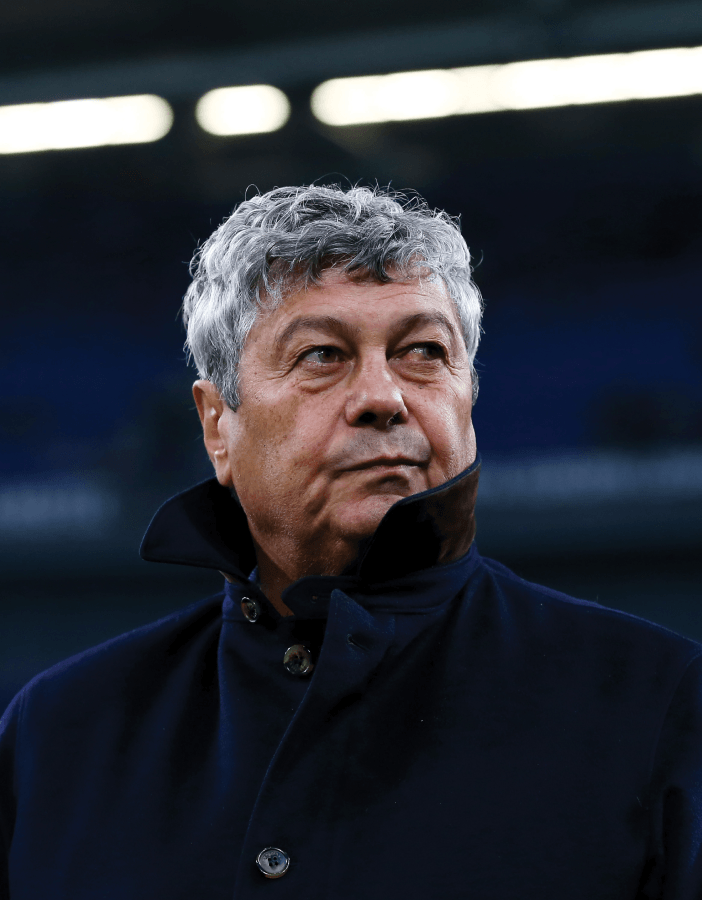
“Life is beautiful.” Those were the words of Mircea Lucescu when I spoke to him in 2023, during the writing of my book We Play On: Shakhtar Donetsk’s Fight for Ukraine, Football and Freedom. The coaching legend, who passed away at the age of 80 in early April, certainly had much to celebrate, his long list of achievements including leading Shakhtar to UEFA Cup glory. But, as his statement implies, he was also a man who strongly believed in the aesthetics of the game, and that too forms part of his remarkable legacy.
The combination of victory and attractive football is what made Lucescu’s 12-year spell at Shakhtar the centrepiece of a glittering career. Although he won league titles with two different clubs in his native Romania before repeating the trick in both Türkiye and Ukraine, Lucescu will mostly be remembered for his transformative stint in Shakhtar’s industrial home city. “Donetsk was like London for me because I was successful there,” he told me. “When you are successful, it’s beautiful. If you have no success… maybe Madrid can still be Madrid. But afterwards, you’d realise how sad you are.”
Although Lucescu was intimate with success, the 22 trophies he claimed with Shakhtar – including eight Ukrainian titles and the 2008/09 UEFA Cup (making them only the second Ukrainian club to lift European silverware, after Dynamo Kyiv) – would not be as notable without the style and swagger with which he secured them. Before his 2004 arrival in Donetsk, Dynamo were the first and last word in Ukrainian club football as far as the rest of the world was concerned. They would not be for long.
The Pitmen’s UEFA Cup triumph was the culmination of the Brazilian-accented house that Lucescu built in conjunction with club president Rinat Akhmetov, with the two enthusiasts of jogo bonito discussing football for hours after games while singing karaoke together. Shakhtar were, as he saw it, a combination of Eastern European defensive grit and South American inventiveness in the final third. In that 2009 final in Istanbul, where Shakhtar beat Werder Bremen 2-1 after extra time, Lucescu had been deluged with hundreds of requests for tickets from friends he’d made in successful spells at Galatasaray (where he won a UEFA Super Cup against Real Madrid) and Beşiktaş.
“I realised it was much easier for my players if i learned Portuguese than if they tried speaking Romanian”
The names in those vintage Shakhtar teams trip off the tongue: Fernandinho, Willian, Douglas Costa, Alex Teixeira, Taison. Lucescu managed to develop those players and mould them collectively into a winning machine, and a mesmerising spectacle to boot, because he had a long-term love of Brazilian football and culture. He understood his players and where they were coming from. “When I spoke to my Brazilian players, I told them that I know Brazil much better than you,” he joked in 2023.
Lucescu had extensive knowledge of the country from his playing days. Despite the yoke of Communist ruler Nicolae Ceaușescu, Romania’s head coach Angelo Niculescu persuaded the authorities to let him take the national team on a tour of Brazil before the 1970 World Cup. It was the moment that lit a fire under Lucescu, then 24 years old. He would swap shirts with Pelé – a treasure which he took home and never washed – after Romania’s narrow loss to Brazil in their third group game in Guadalajara. This trip defined his entire career, and he later learned Portuguese “because I realised it was much easier for [my players] than if they [tried] speaking [Romanian]”.
After being at the cutting edge as a player, Lucescu the coach was destined to be a groundbreaker. When he left Romania the year after the 1989 revolution – having previously been forced to turn down moves to Fluminense and Paris Saint-Germain as player and coach – he discovered a fascinating football culture in Italy, where he led Pisa, Brescia, Reggiana and Inter Milan. Naturally, he contributed to it too. The fitness trainer he inherited at Pisa, Adriano Bacconi, helped him develop a system of tactical and statistical analysis via logging stats in Excel and splicing videotapes, a project which was later sold to Panini and got Bacconi a job working with Marcello Lippi’s 2006 World Cup winners. It was the vanguard of football analytics.
In Serie A, he crossed paths with the greats, coaching Diego Simeone at Pisa and Ronaldo at Inter – although, despite Lucescu’s deep love of Brazilian football, he and O Fenômeno didn’t always see eye to eye. Later, Pep Guardiola moved into Lucescu’s old apartment in Brescia during his short spell there towards the end of his playing career. In fact, Lucescu and Guardiola were almost karmically linked. Guardiola loved Lucescu’s Shakhtar so much (as he told him after Barcelona beat them in the 2009 UEFA Super Cup) that he signed Douglas Costa for his Bayern München side and made Fernandinho captain at Manchester City.
Lucescu believed the revolution cut short his Dinamo București team’s chances of becoming European champions in the 1980s, and he got Shakhtar as far as the quarter-finals of the Champions League in 2010/11. In October 2020, he became the oldest coach in Champions League history during Dynamo Kyiv’s home match with Juventus, aged 75 years and 83 days. Sitting on the opposing bench that day was Andrea Pirlo, who made his Serie A debut under Lucescu with Brescia in 1995, two days after his 16th birthday. Lucescu was correct. Life is beautiful – and he was determined to keep it so, right to the end.
“Life is beautiful.” Those were the words of Mircea Lucescu when I spoke to him in 2023, during the writing of my book We Play On: Shakhtar Donetsk’s Fight for Ukraine, Football and Freedom. The coaching legend, who passed away at the age of 80 in early April, certainly had much to celebrate, his long list of achievements including leading Shakhtar to UEFA Cup glory. But, as his statement implies, he was also a man who strongly believed in the aesthetics of the game, and that too forms part of his remarkable legacy.
The combination of victory and attractive football is what made Lucescu’s 12-year spell at Shakhtar the centrepiece of a glittering career. Although he won league titles with two different clubs in his native Romania before repeating the trick in both Türkiye and Ukraine, Lucescu will mostly be remembered for his transformative stint in Shakhtar’s industrial home city. “Donetsk was like London for me because I was successful there,” he told me. “When you are successful, it’s beautiful. If you have no success… maybe Madrid can still be Madrid. But afterwards, you’d realise how sad you are.”
Although Lucescu was intimate with success, the 22 trophies he claimed with Shakhtar – including eight Ukrainian titles and the 2008/09 UEFA Cup (making them only the second Ukrainian club to lift European silverware, after Dynamo Kyiv) – would not be as notable without the style and swagger with which he secured them. Before his 2004 arrival in Donetsk, Dynamo were the first and last word in Ukrainian club football as far as the rest of the world was concerned. They would not be for long.
The Pitmen’s UEFA Cup triumph was the culmination of the Brazilian-accented house that Lucescu built in conjunction with club president Rinat Akhmetov, with the two enthusiasts of jogo bonito discussing football for hours after games while singing karaoke together. Shakhtar were, as he saw it, a combination of Eastern European defensive grit and South American inventiveness in the final third. In that 2009 final in Istanbul, where Shakhtar beat Werder Bremen 2-1 after extra time, Lucescu had been deluged with hundreds of requests for tickets from friends he’d made in successful spells at Galatasaray (where he won a UEFA Super Cup against Real Madrid) and Beşiktaş.
“I realised it was much easier for my players if i learned Portuguese than if they tried speaking Romanian”
The names in those vintage Shakhtar teams trip off the tongue: Fernandinho, Willian, Douglas Costa, Alex Teixeira, Taison. Lucescu managed to develop those players and mould them collectively into a winning machine, and a mesmerising spectacle to boot, because he had a long-term love of Brazilian football and culture. He understood his players and where they were coming from. “When I spoke to my Brazilian players, I told them that I know Brazil much better than you,” he joked in 2023.
Lucescu had extensive knowledge of the country from his playing days. Despite the yoke of Communist ruler Nicolae Ceaușescu, Romania’s head coach Angelo Niculescu persuaded the authorities to let him take the national team on a tour of Brazil before the 1970 World Cup. It was the moment that lit a fire under Lucescu, then 24 years old. He would swap shirts with Pelé – a treasure which he took home and never washed – after Romania’s narrow loss to Brazil in their third group game in Guadalajara. This trip defined his entire career, and he later learned Portuguese “because I realised it was much easier for [my players] than if they [tried] speaking [Romanian]”.
After being at the cutting edge as a player, Lucescu the coach was destined to be a groundbreaker. When he left Romania the year after the 1989 revolution – having previously been forced to turn down moves to Fluminense and Paris Saint-Germain as player and coach – he discovered a fascinating football culture in Italy, where he led Pisa, Brescia, Reggiana and Inter Milan. Naturally, he contributed to it too. The fitness trainer he inherited at Pisa, Adriano Bacconi, helped him develop a system of tactical and statistical analysis via logging stats in Excel and splicing videotapes, a project which was later sold to Panini and got Bacconi a job working with Marcello Lippi’s 2006 World Cup winners. It was the vanguard of football analytics.
In Serie A, he crossed paths with the greats, coaching Diego Simeone at Pisa and Ronaldo at Inter – although, despite Lucescu’s deep love of Brazilian football, he and O Fenômeno didn’t always see eye to eye. Later, Pep Guardiola moved into Lucescu’s old apartment in Brescia during his short spell there towards the end of his playing career. In fact, Lucescu and Guardiola were almost karmically linked. Guardiola loved Lucescu’s Shakhtar so much (as he told him after Barcelona beat them in the 2009 UEFA Super Cup) that he signed Douglas Costa for his Bayern München side and made Fernandinho captain at Manchester City.
Lucescu believed the revolution cut short his Dinamo București team’s chances of becoming European champions in the 1980s, and he got Shakhtar as far as the quarter-finals of the Champions League in 2010/11. In October 2020, he became the oldest coach in Champions League history during Dynamo Kyiv’s home match with Juventus, aged 75 years and 83 days. Sitting on the opposing bench that day was Andrea Pirlo, who made his Serie A debut under Lucescu with Brescia in 1995, two days after his 16th birthday. Lucescu was correct. Life is beautiful – and he was determined to keep it so, right to the end.
“Life is beautiful.” Those were the words of Mircea Lucescu when I spoke to him in 2023, during the writing of my book We Play On: Shakhtar Donetsk’s Fight for Ukraine, Football and Freedom. The coaching legend, who passed away at the age of 80 in early April, certainly had much to celebrate, his long list of achievements including leading Shakhtar to UEFA Cup glory. But, as his statement implies, he was also a man who strongly believed in the aesthetics of the game, and that too forms part of his remarkable legacy.
The combination of victory and attractive football is what made Lucescu’s 12-year spell at Shakhtar the centrepiece of a glittering career. Although he won league titles with two different clubs in his native Romania before repeating the trick in both Türkiye and Ukraine, Lucescu will mostly be remembered for his transformative stint in Shakhtar’s industrial home city. “Donetsk was like London for me because I was successful there,” he told me. “When you are successful, it’s beautiful. If you have no success… maybe Madrid can still be Madrid. But afterwards, you’d realise how sad you are.”
Although Lucescu was intimate with success, the 22 trophies he claimed with Shakhtar – including eight Ukrainian titles and the 2008/09 UEFA Cup (making them only the second Ukrainian club to lift European silverware, after Dynamo Kyiv) – would not be as notable without the style and swagger with which he secured them. Before his 2004 arrival in Donetsk, Dynamo were the first and last word in Ukrainian club football as far as the rest of the world was concerned. They would not be for long.
The Pitmen’s UEFA Cup triumph was the culmination of the Brazilian-accented house that Lucescu built in conjunction with club president Rinat Akhmetov, with the two enthusiasts of jogo bonito discussing football for hours after games while singing karaoke together. Shakhtar were, as he saw it, a combination of Eastern European defensive grit and South American inventiveness in the final third. In that 2009 final in Istanbul, where Shakhtar beat Werder Bremen 2-1 after extra time, Lucescu had been deluged with hundreds of requests for tickets from friends he’d made in successful spells at Galatasaray (where he won a UEFA Super Cup against Real Madrid) and Beşiktaş.
“I realised it was much easier for my players if i learned Portuguese than if they tried speaking Romanian”
The names in those vintage Shakhtar teams trip off the tongue: Fernandinho, Willian, Douglas Costa, Alex Teixeira, Taison. Lucescu managed to develop those players and mould them collectively into a winning machine, and a mesmerising spectacle to boot, because he had a long-term love of Brazilian football and culture. He understood his players and where they were coming from. “When I spoke to my Brazilian players, I told them that I know Brazil much better than you,” he joked in 2023.
Lucescu had extensive knowledge of the country from his playing days. Despite the yoke of Communist ruler Nicolae Ceaușescu, Romania’s head coach Angelo Niculescu persuaded the authorities to let him take the national team on a tour of Brazil before the 1970 World Cup. It was the moment that lit a fire under Lucescu, then 24 years old. He would swap shirts with Pelé – a treasure which he took home and never washed – after Romania’s narrow loss to Brazil in their third group game in Guadalajara. This trip defined his entire career, and he later learned Portuguese “because I realised it was much easier for [my players] than if they [tried] speaking [Romanian]”.
After being at the cutting edge as a player, Lucescu the coach was destined to be a groundbreaker. When he left Romania the year after the 1989 revolution – having previously been forced to turn down moves to Fluminense and Paris Saint-Germain as player and coach – he discovered a fascinating football culture in Italy, where he led Pisa, Brescia, Reggiana and Inter Milan. Naturally, he contributed to it too. The fitness trainer he inherited at Pisa, Adriano Bacconi, helped him develop a system of tactical and statistical analysis via logging stats in Excel and splicing videotapes, a project which was later sold to Panini and got Bacconi a job working with Marcello Lippi’s 2006 World Cup winners. It was the vanguard of football analytics.
In Serie A, he crossed paths with the greats, coaching Diego Simeone at Pisa and Ronaldo at Inter – although, despite Lucescu’s deep love of Brazilian football, he and O Fenômeno didn’t always see eye to eye. Later, Pep Guardiola moved into Lucescu’s old apartment in Brescia during his short spell there towards the end of his playing career. In fact, Lucescu and Guardiola were almost karmically linked. Guardiola loved Lucescu’s Shakhtar so much (as he told him after Barcelona beat them in the 2009 UEFA Super Cup) that he signed Douglas Costa for his Bayern München side and made Fernandinho captain at Manchester City.
Lucescu believed the revolution cut short his Dinamo București team’s chances of becoming European champions in the 1980s, and he got Shakhtar as far as the quarter-finals of the Champions League in 2010/11. In October 2020, he became the oldest coach in Champions League history during Dynamo Kyiv’s home match with Juventus, aged 75 years and 83 days. Sitting on the opposing bench that day was Andrea Pirlo, who made his Serie A debut under Lucescu with Brescia in 1995, two days after his 16th birthday. Lucescu was correct. Life is beautiful – and he was determined to keep it so, right to the end.


“Life is beautiful.” Those were the words of Mircea Lucescu when I spoke to him in 2023, during the writing of my book We Play On: Shakhtar Donetsk’s Fight for Ukraine, Football and Freedom. The coaching legend, who passed away at the age of 80 in early April, certainly had much to celebrate, his long list of achievements including leading Shakhtar to UEFA Cup glory. But, as his statement implies, he was also a man who strongly believed in the aesthetics of the game, and that too forms part of his remarkable legacy.
The combination of victory and attractive football is what made Lucescu’s 12-year spell at Shakhtar the centrepiece of a glittering career. Although he won league titles with two different clubs in his native Romania before repeating the trick in both Türkiye and Ukraine, Lucescu will mostly be remembered for his transformative stint in Shakhtar’s industrial home city. “Donetsk was like London for me because I was successful there,” he told me. “When you are successful, it’s beautiful. If you have no success… maybe Madrid can still be Madrid. But afterwards, you’d realise how sad you are.”
Although Lucescu was intimate with success, the 22 trophies he claimed with Shakhtar – including eight Ukrainian titles and the 2008/09 UEFA Cup (making them only the second Ukrainian club to lift European silverware, after Dynamo Kyiv) – would not be as notable without the style and swagger with which he secured them. Before his 2004 arrival in Donetsk, Dynamo were the first and last word in Ukrainian club football as far as the rest of the world was concerned. They would not be for long.
The Pitmen’s UEFA Cup triumph was the culmination of the Brazilian-accented house that Lucescu built in conjunction with club president Rinat Akhmetov, with the two enthusiasts of jogo bonito discussing football for hours after games while singing karaoke together. Shakhtar were, as he saw it, a combination of Eastern European defensive grit and South American inventiveness in the final third. In that 2009 final in Istanbul, where Shakhtar beat Werder Bremen 2-1 after extra time, Lucescu had been deluged with hundreds of requests for tickets from friends he’d made in successful spells at Galatasaray (where he won a UEFA Super Cup against Real Madrid) and Beşiktaş.
“I realised it was much easier for my players if i learned Portuguese than if they tried speaking Romanian”
The names in those vintage Shakhtar teams trip off the tongue: Fernandinho, Willian, Douglas Costa, Alex Teixeira, Taison. Lucescu managed to develop those players and mould them collectively into a winning machine, and a mesmerising spectacle to boot, because he had a long-term love of Brazilian football and culture. He understood his players and where they were coming from. “When I spoke to my Brazilian players, I told them that I know Brazil much better than you,” he joked in 2023.
Lucescu had extensive knowledge of the country from his playing days. Despite the yoke of Communist ruler Nicolae Ceaușescu, Romania’s head coach Angelo Niculescu persuaded the authorities to let him take the national team on a tour of Brazil before the 1970 World Cup. It was the moment that lit a fire under Lucescu, then 24 years old. He would swap shirts with Pelé – a treasure which he took home and never washed – after Romania’s narrow loss to Brazil in their third group game in Guadalajara. This trip defined his entire career, and he later learned Portuguese “because I realised it was much easier for [my players] than if they [tried] speaking [Romanian]”.
After being at the cutting edge as a player, Lucescu the coach was destined to be a groundbreaker. When he left Romania the year after the 1989 revolution – having previously been forced to turn down moves to Fluminense and Paris Saint-Germain as player and coach – he discovered a fascinating football culture in Italy, where he led Pisa, Brescia, Reggiana and Inter Milan. Naturally, he contributed to it too. The fitness trainer he inherited at Pisa, Adriano Bacconi, helped him develop a system of tactical and statistical analysis via logging stats in Excel and splicing videotapes, a project which was later sold to Panini and got Bacconi a job working with Marcello Lippi’s 2006 World Cup winners. It was the vanguard of football analytics.
In Serie A, he crossed paths with the greats, coaching Diego Simeone at Pisa and Ronaldo at Inter – although, despite Lucescu’s deep love of Brazilian football, he and O Fenômeno didn’t always see eye to eye. Later, Pep Guardiola moved into Lucescu’s old apartment in Brescia during his short spell there towards the end of his playing career. In fact, Lucescu and Guardiola were almost karmically linked. Guardiola loved Lucescu’s Shakhtar so much (as he told him after Barcelona beat them in the 2009 UEFA Super Cup) that he signed Douglas Costa for his Bayern München side and made Fernandinho captain at Manchester City.
Lucescu believed the revolution cut short his Dinamo București team’s chances of becoming European champions in the 1980s, and he got Shakhtar as far as the quarter-finals of the Champions League in 2010/11. In October 2020, he became the oldest coach in Champions League history during Dynamo Kyiv’s home match with Juventus, aged 75 years and 83 days. Sitting on the opposing bench that day was Andrea Pirlo, who made his Serie A debut under Lucescu with Brescia in 1995, two days after his 16th birthday. Lucescu was correct. Life is beautiful – and he was determined to keep it so, right to the end.
“Life is beautiful.” Those were the words of Mircea Lucescu when I spoke to him in 2023, during the writing of my book We Play On: Shakhtar Donetsk’s Fight for Ukraine, Football and Freedom. The coaching legend, who passed away at the age of 80 in early April, certainly had much to celebrate, his long list of achievements including leading Shakhtar to UEFA Cup glory. But, as his statement implies, he was also a man who strongly believed in the aesthetics of the game, and that too forms part of his remarkable legacy.
The combination of victory and attractive football is what made Lucescu’s 12-year spell at Shakhtar the centrepiece of a glittering career. Although he won league titles with two different clubs in his native Romania before repeating the trick in both Türkiye and Ukraine, Lucescu will mostly be remembered for his transformative stint in Shakhtar’s industrial home city. “Donetsk was like London for me because I was successful there,” he told me. “When you are successful, it’s beautiful. If you have no success… maybe Madrid can still be Madrid. But afterwards, you’d realise how sad you are.”
Although Lucescu was intimate with success, the 22 trophies he claimed with Shakhtar – including eight Ukrainian titles and the 2008/09 UEFA Cup (making them only the second Ukrainian club to lift European silverware, after Dynamo Kyiv) – would not be as notable without the style and swagger with which he secured them. Before his 2004 arrival in Donetsk, Dynamo were the first and last word in Ukrainian club football as far as the rest of the world was concerned. They would not be for long.
The Pitmen’s UEFA Cup triumph was the culmination of the Brazilian-accented house that Lucescu built in conjunction with club president Rinat Akhmetov, with the two enthusiasts of jogo bonito discussing football for hours after games while singing karaoke together. Shakhtar were, as he saw it, a combination of Eastern European defensive grit and South American inventiveness in the final third. In that 2009 final in Istanbul, where Shakhtar beat Werder Bremen 2-1 after extra time, Lucescu had been deluged with hundreds of requests for tickets from friends he’d made in successful spells at Galatasaray (where he won a UEFA Super Cup against Real Madrid) and Beşiktaş.
“I realised it was much easier for my players if i learned Portuguese than if they tried speaking Romanian”
The names in those vintage Shakhtar teams trip off the tongue: Fernandinho, Willian, Douglas Costa, Alex Teixeira, Taison. Lucescu managed to develop those players and mould them collectively into a winning machine, and a mesmerising spectacle to boot, because he had a long-term love of Brazilian football and culture. He understood his players and where they were coming from. “When I spoke to my Brazilian players, I told them that I know Brazil much better than you,” he joked in 2023.
Lucescu had extensive knowledge of the country from his playing days. Despite the yoke of Communist ruler Nicolae Ceaușescu, Romania’s head coach Angelo Niculescu persuaded the authorities to let him take the national team on a tour of Brazil before the 1970 World Cup. It was the moment that lit a fire under Lucescu, then 24 years old. He would swap shirts with Pelé – a treasure which he took home and never washed – after Romania’s narrow loss to Brazil in their third group game in Guadalajara. This trip defined his entire career, and he later learned Portuguese “because I realised it was much easier for [my players] than if they [tried] speaking [Romanian]”.
After being at the cutting edge as a player, Lucescu the coach was destined to be a groundbreaker. When he left Romania the year after the 1989 revolution – having previously been forced to turn down moves to Fluminense and Paris Saint-Germain as player and coach – he discovered a fascinating football culture in Italy, where he led Pisa, Brescia, Reggiana and Inter Milan. Naturally, he contributed to it too. The fitness trainer he inherited at Pisa, Adriano Bacconi, helped him develop a system of tactical and statistical analysis via logging stats in Excel and splicing videotapes, a project which was later sold to Panini and got Bacconi a job working with Marcello Lippi’s 2006 World Cup winners. It was the vanguard of football analytics.
In Serie A, he crossed paths with the greats, coaching Diego Simeone at Pisa and Ronaldo at Inter – although, despite Lucescu’s deep love of Brazilian football, he and O Fenômeno didn’t always see eye to eye. Later, Pep Guardiola moved into Lucescu’s old apartment in Brescia during his short spell there towards the end of his playing career. In fact, Lucescu and Guardiola were almost karmically linked. Guardiola loved Lucescu’s Shakhtar so much (as he told him after Barcelona beat them in the 2009 UEFA Super Cup) that he signed Douglas Costa for his Bayern München side and made Fernandinho captain at Manchester City.
Lucescu believed the revolution cut short his Dinamo București team’s chances of becoming European champions in the 1980s, and he got Shakhtar as far as the quarter-finals of the Champions League in 2010/11. In October 2020, he became the oldest coach in Champions League history during Dynamo Kyiv’s home match with Juventus, aged 75 years and 83 days. Sitting on the opposing bench that day was Andrea Pirlo, who made his Serie A debut under Lucescu with Brescia in 1995, two days after his 16th birthday. Lucescu was correct. Life is beautiful – and he was determined to keep it so, right to the end.
“Life is beautiful.” Those were the words of Mircea Lucescu when I spoke to him in 2023, during the writing of my book We Play On: Shakhtar Donetsk’s Fight for Ukraine, Football and Freedom. The coaching legend, who passed away at the age of 80 in early April, certainly had much to celebrate, his long list of achievements including leading Shakhtar to UEFA Cup glory. But, as his statement implies, he was also a man who strongly believed in the aesthetics of the game, and that too forms part of his remarkable legacy.
The combination of victory and attractive football is what made Lucescu’s 12-year spell at Shakhtar the centrepiece of a glittering career. Although he won league titles with two different clubs in his native Romania before repeating the trick in both Türkiye and Ukraine, Lucescu will mostly be remembered for his transformative stint in Shakhtar’s industrial home city. “Donetsk was like London for me because I was successful there,” he told me. “When you are successful, it’s beautiful. If you have no success… maybe Madrid can still be Madrid. But afterwards, you’d realise how sad you are.”
Although Lucescu was intimate with success, the 22 trophies he claimed with Shakhtar – including eight Ukrainian titles and the 2008/09 UEFA Cup (making them only the second Ukrainian club to lift European silverware, after Dynamo Kyiv) – would not be as notable without the style and swagger with which he secured them. Before his 2004 arrival in Donetsk, Dynamo were the first and last word in Ukrainian club football as far as the rest of the world was concerned. They would not be for long.
The Pitmen’s UEFA Cup triumph was the culmination of the Brazilian-accented house that Lucescu built in conjunction with club president Rinat Akhmetov, with the two enthusiasts of jogo bonito discussing football for hours after games while singing karaoke together. Shakhtar were, as he saw it, a combination of Eastern European defensive grit and South American inventiveness in the final third. In that 2009 final in Istanbul, where Shakhtar beat Werder Bremen 2-1 after extra time, Lucescu had been deluged with hundreds of requests for tickets from friends he’d made in successful spells at Galatasaray (where he won a UEFA Super Cup against Real Madrid) and Beşiktaş.
“I realised it was much easier for my players if i learned Portuguese than if they tried speaking Romanian”
The names in those vintage Shakhtar teams trip off the tongue: Fernandinho, Willian, Douglas Costa, Alex Teixeira, Taison. Lucescu managed to develop those players and mould them collectively into a winning machine, and a mesmerising spectacle to boot, because he had a long-term love of Brazilian football and culture. He understood his players and where they were coming from. “When I spoke to my Brazilian players, I told them that I know Brazil much better than you,” he joked in 2023.
Lucescu had extensive knowledge of the country from his playing days. Despite the yoke of Communist ruler Nicolae Ceaușescu, Romania’s head coach Angelo Niculescu persuaded the authorities to let him take the national team on a tour of Brazil before the 1970 World Cup. It was the moment that lit a fire under Lucescu, then 24 years old. He would swap shirts with Pelé – a treasure which he took home and never washed – after Romania’s narrow loss to Brazil in their third group game in Guadalajara. This trip defined his entire career, and he later learned Portuguese “because I realised it was much easier for [my players] than if they [tried] speaking [Romanian]”.
After being at the cutting edge as a player, Lucescu the coach was destined to be a groundbreaker. When he left Romania the year after the 1989 revolution – having previously been forced to turn down moves to Fluminense and Paris Saint-Germain as player and coach – he discovered a fascinating football culture in Italy, where he led Pisa, Brescia, Reggiana and Inter Milan. Naturally, he contributed to it too. The fitness trainer he inherited at Pisa, Adriano Bacconi, helped him develop a system of tactical and statistical analysis via logging stats in Excel and splicing videotapes, a project which was later sold to Panini and got Bacconi a job working with Marcello Lippi’s 2006 World Cup winners. It was the vanguard of football analytics.
In Serie A, he crossed paths with the greats, coaching Diego Simeone at Pisa and Ronaldo at Inter – although, despite Lucescu’s deep love of Brazilian football, he and O Fenômeno didn’t always see eye to eye. Later, Pep Guardiola moved into Lucescu’s old apartment in Brescia during his short spell there towards the end of his playing career. In fact, Lucescu and Guardiola were almost karmically linked. Guardiola loved Lucescu’s Shakhtar so much (as he told him after Barcelona beat them in the 2009 UEFA Super Cup) that he signed Douglas Costa for his Bayern München side and made Fernandinho captain at Manchester City.
Lucescu believed the revolution cut short his Dinamo București team’s chances of becoming European champions in the 1980s, and he got Shakhtar as far as the quarter-finals of the Champions League in 2010/11. In October 2020, he became the oldest coach in Champions League history during Dynamo Kyiv’s home match with Juventus, aged 75 years and 83 days. Sitting on the opposing bench that day was Andrea Pirlo, who made his Serie A debut under Lucescu with Brescia in 1995, two days after his 16th birthday. Lucescu was correct. Life is beautiful – and he was determined to keep it so, right to the end.