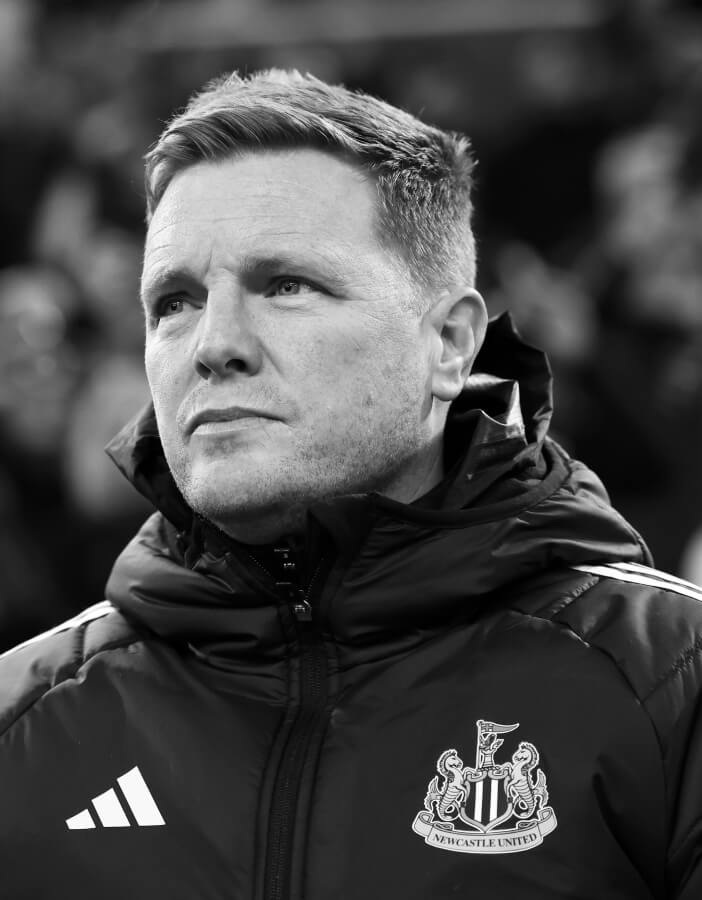
I think my love for coaching is my strongest quality. I love it. I genuinely love trying to help and improve players; I get a buzz off creating drills, thinking of different ways to play. The tactical game really inspires me. It’s a genuine love for the real detail and breaking down the game, and that has really helped me in my development as a coach, and my development as someone that wants to try to win football matches. Without that love and that detail and that real deep thought, I’m not sure you’re going to be successful.
I thought football management was going to be hard – there was no part of me, when I was a player, that thought, “That looks easy.” But when you’re doing it, it’s only then you truly realise the size of the job you’re doing, because you’re having to balance so many different things. You’ve got players, you’ve got staff, supporters, media, ownership. You’ve got to try and get each part of those relationships as strong as you can, and treat everyone as well as you can, while trying to win games of football. It sounds quite simple, but it’s a delicate act. You’ve got to try to get it right every single day. It’s all consuming.
Very early on, I realised I had to be a pragmatist. In my very early days as a coach [at Bournemouth], we had to protect our livelihoods, stay working and keep the club that I was working for alive. And then as I’ve been able to build knowledge and resources, I’ve become more of an idealist, trying to produce a team that I’m proud to manage and I’m excited to watch.
I’ve got no worries in saying, “I’ll do what it takes to win,” but I want to do it in a style that I enjoy watching. We have principles – some that have never changed from day one, that have remained throughout, and some that have been thrown out and been replaced. You’re always evolving and changing, and that will probably be the case throughout my coaching journey.
Don’t say things in the heat of the moment – that’s really, really important because sometimes loose words can cost you relationships. I learned very early on that I didn’t want to try and play the game for the players or commentate to them, because that’s easily done. It’s a case of trying to give my little bits of wisdom that can help them. And then when the game’s over, it’s about keeping your counsel, analysing the game properly, and then feeding back information that’s relevant, not your instinctive thoughts, because that can sometimes be where you go wrong.
It’s not that I’m not emotional. I’m a highly emotional person in those moments because I want to win so much, but it’s just a case of trying to keep control of it. You have to try to see through the emotion because when you’re watching a game all the way through, you’re highly emotional, and it’s a real skill to try and not attach your emotion to the result and use that negatively.
Whenever you’re speaking to your players, you’ve got to try and make sense – to try and convey the message that you want to get across to them. The best way to do that is sometimes with emotion, but always with clarity. To have that clarity of thought, you’ve got to try and separate a lot of the noise and really try and focus on the points that you want to make. That’s what I try to do.
It’s a case of trying to help the players in every moment, trying to give them detail and specific information. The only way you can see things clearly is to try and detach yourself slightly from the result, for their benefit. Don’t get me wrong, there are moments where I don’t get that quite right, but with experience you get better at it, and that’s what I’ve tried to do.
I’ve enjoyed every second of it [at Newcastle]. At times, you’re on the edge because it’s such a demanding club, in such a positive way: there are high expectations, there are high demands set upon us to achieve success and to keep winning. That is a great thing, and we’ve really tried to respond to that. We consider ourselves very lucky. It’s exhilarating, and I hope that remains the case.
I think my love for coaching is my strongest quality. I love it. I genuinely love trying to help and improve players; I get a buzz off creating drills, thinking of different ways to play. The tactical game really inspires me. It’s a genuine love for the real detail and breaking down the game, and that has really helped me in my development as a coach, and my development as someone that wants to try to win football matches. Without that love and that detail and that real deep thought, I’m not sure you’re going to be successful.
I thought football management was going to be hard – there was no part of me, when I was a player, that thought, “That looks easy.” But when you’re doing it, it’s only then you truly realise the size of the job you’re doing, because you’re having to balance so many different things. You’ve got players, you’ve got staff, supporters, media, ownership. You’ve got to try and get each part of those relationships as strong as you can, and treat everyone as well as you can, while trying to win games of football. It sounds quite simple, but it’s a delicate act. You’ve got to try to get it right every single day. It’s all consuming.
Very early on, I realised I had to be a pragmatist. In my very early days as a coach [at Bournemouth], we had to protect our livelihoods, stay working and keep the club that I was working for alive. And then as I’ve been able to build knowledge and resources, I’ve become more of an idealist, trying to produce a team that I’m proud to manage and I’m excited to watch.
I’ve got no worries in saying, “I’ll do what it takes to win,” but I want to do it in a style that I enjoy watching. We have principles – some that have never changed from day one, that have remained throughout, and some that have been thrown out and been replaced. You’re always evolving and changing, and that will probably be the case throughout my coaching journey.
Don’t say things in the heat of the moment – that’s really, really important because sometimes loose words can cost you relationships. I learned very early on that I didn’t want to try and play the game for the players or commentate to them, because that’s easily done. It’s a case of trying to give my little bits of wisdom that can help them. And then when the game’s over, it’s about keeping your counsel, analysing the game properly, and then feeding back information that’s relevant, not your instinctive thoughts, because that can sometimes be where you go wrong.
It’s not that I’m not emotional. I’m a highly emotional person in those moments because I want to win so much, but it’s just a case of trying to keep control of it. You have to try to see through the emotion because when you’re watching a game all the way through, you’re highly emotional, and it’s a real skill to try and not attach your emotion to the result and use that negatively.
Whenever you’re speaking to your players, you’ve got to try and make sense – to try and convey the message that you want to get across to them. The best way to do that is sometimes with emotion, but always with clarity. To have that clarity of thought, you’ve got to try and separate a lot of the noise and really try and focus on the points that you want to make. That’s what I try to do.
It’s a case of trying to help the players in every moment, trying to give them detail and specific information. The only way you can see things clearly is to try and detach yourself slightly from the result, for their benefit. Don’t get me wrong, there are moments where I don’t get that quite right, but with experience you get better at it, and that’s what I’ve tried to do.
I’ve enjoyed every second of it [at Newcastle]. At times, you’re on the edge because it’s such a demanding club, in such a positive way: there are high expectations, there are high demands set upon us to achieve success and to keep winning. That is a great thing, and we’ve really tried to respond to that. We consider ourselves very lucky. It’s exhilarating, and I hope that remains the case.
I think my love for coaching is my strongest quality. I love it. I genuinely love trying to help and improve players; I get a buzz off creating drills, thinking of different ways to play. The tactical game really inspires me. It’s a genuine love for the real detail and breaking down the game, and that has really helped me in my development as a coach, and my development as someone that wants to try to win football matches. Without that love and that detail and that real deep thought, I’m not sure you’re going to be successful.
I thought football management was going to be hard – there was no part of me, when I was a player, that thought, “That looks easy.” But when you’re doing it, it’s only then you truly realise the size of the job you’re doing, because you’re having to balance so many different things. You’ve got players, you’ve got staff, supporters, media, ownership. You’ve got to try and get each part of those relationships as strong as you can, and treat everyone as well as you can, while trying to win games of football. It sounds quite simple, but it’s a delicate act. You’ve got to try to get it right every single day. It’s all consuming.
Very early on, I realised I had to be a pragmatist. In my very early days as a coach [at Bournemouth], we had to protect our livelihoods, stay working and keep the club that I was working for alive. And then as I’ve been able to build knowledge and resources, I’ve become more of an idealist, trying to produce a team that I’m proud to manage and I’m excited to watch.
I’ve got no worries in saying, “I’ll do what it takes to win,” but I want to do it in a style that I enjoy watching. We have principles – some that have never changed from day one, that have remained throughout, and some that have been thrown out and been replaced. You’re always evolving and changing, and that will probably be the case throughout my coaching journey.
Don’t say things in the heat of the moment – that’s really, really important because sometimes loose words can cost you relationships. I learned very early on that I didn’t want to try and play the game for the players or commentate to them, because that’s easily done. It’s a case of trying to give my little bits of wisdom that can help them. And then when the game’s over, it’s about keeping your counsel, analysing the game properly, and then feeding back information that’s relevant, not your instinctive thoughts, because that can sometimes be where you go wrong.
It’s not that I’m not emotional. I’m a highly emotional person in those moments because I want to win so much, but it’s just a case of trying to keep control of it. You have to try to see through the emotion because when you’re watching a game all the way through, you’re highly emotional, and it’s a real skill to try and not attach your emotion to the result and use that negatively.
Whenever you’re speaking to your players, you’ve got to try and make sense – to try and convey the message that you want to get across to them. The best way to do that is sometimes with emotion, but always with clarity. To have that clarity of thought, you’ve got to try and separate a lot of the noise and really try and focus on the points that you want to make. That’s what I try to do.
It’s a case of trying to help the players in every moment, trying to give them detail and specific information. The only way you can see things clearly is to try and detach yourself slightly from the result, for their benefit. Don’t get me wrong, there are moments where I don’t get that quite right, but with experience you get better at it, and that’s what I’ve tried to do.
I’ve enjoyed every second of it [at Newcastle]. At times, you’re on the edge because it’s such a demanding club, in such a positive way: there are high expectations, there are high demands set upon us to achieve success and to keep winning. That is a great thing, and we’ve really tried to respond to that. We consider ourselves very lucky. It’s exhilarating, and I hope that remains the case.


I think my love for coaching is my strongest quality. I love it. I genuinely love trying to help and improve players; I get a buzz off creating drills, thinking of different ways to play. The tactical game really inspires me. It’s a genuine love for the real detail and breaking down the game, and that has really helped me in my development as a coach, and my development as someone that wants to try to win football matches. Without that love and that detail and that real deep thought, I’m not sure you’re going to be successful.
I thought football management was going to be hard – there was no part of me, when I was a player, that thought, “That looks easy.” But when you’re doing it, it’s only then you truly realise the size of the job you’re doing, because you’re having to balance so many different things. You’ve got players, you’ve got staff, supporters, media, ownership. You’ve got to try and get each part of those relationships as strong as you can, and treat everyone as well as you can, while trying to win games of football. It sounds quite simple, but it’s a delicate act. You’ve got to try to get it right every single day. It’s all consuming.
Very early on, I realised I had to be a pragmatist. In my very early days as a coach [at Bournemouth], we had to protect our livelihoods, stay working and keep the club that I was working for alive. And then as I’ve been able to build knowledge and resources, I’ve become more of an idealist, trying to produce a team that I’m proud to manage and I’m excited to watch.
I’ve got no worries in saying, “I’ll do what it takes to win,” but I want to do it in a style that I enjoy watching. We have principles – some that have never changed from day one, that have remained throughout, and some that have been thrown out and been replaced. You’re always evolving and changing, and that will probably be the case throughout my coaching journey.
Don’t say things in the heat of the moment – that’s really, really important because sometimes loose words can cost you relationships. I learned very early on that I didn’t want to try and play the game for the players or commentate to them, because that’s easily done. It’s a case of trying to give my little bits of wisdom that can help them. And then when the game’s over, it’s about keeping your counsel, analysing the game properly, and then feeding back information that’s relevant, not your instinctive thoughts, because that can sometimes be where you go wrong.
It’s not that I’m not emotional. I’m a highly emotional person in those moments because I want to win so much, but it’s just a case of trying to keep control of it. You have to try to see through the emotion because when you’re watching a game all the way through, you’re highly emotional, and it’s a real skill to try and not attach your emotion to the result and use that negatively.
Whenever you’re speaking to your players, you’ve got to try and make sense – to try and convey the message that you want to get across to them. The best way to do that is sometimes with emotion, but always with clarity. To have that clarity of thought, you’ve got to try and separate a lot of the noise and really try and focus on the points that you want to make. That’s what I try to do.
It’s a case of trying to help the players in every moment, trying to give them detail and specific information. The only way you can see things clearly is to try and detach yourself slightly from the result, for their benefit. Don’t get me wrong, there are moments where I don’t get that quite right, but with experience you get better at it, and that’s what I’ve tried to do.
I’ve enjoyed every second of it [at Newcastle]. At times, you’re on the edge because it’s such a demanding club, in such a positive way: there are high expectations, there are high demands set upon us to achieve success and to keep winning. That is a great thing, and we’ve really tried to respond to that. We consider ourselves very lucky. It’s exhilarating, and I hope that remains the case.
I think my love for coaching is my strongest quality. I love it. I genuinely love trying to help and improve players; I get a buzz off creating drills, thinking of different ways to play. The tactical game really inspires me. It’s a genuine love for the real detail and breaking down the game, and that has really helped me in my development as a coach, and my development as someone that wants to try to win football matches. Without that love and that detail and that real deep thought, I’m not sure you’re going to be successful.
I thought football management was going to be hard – there was no part of me, when I was a player, that thought, “That looks easy.” But when you’re doing it, it’s only then you truly realise the size of the job you’re doing, because you’re having to balance so many different things. You’ve got players, you’ve got staff, supporters, media, ownership. You’ve got to try and get each part of those relationships as strong as you can, and treat everyone as well as you can, while trying to win games of football. It sounds quite simple, but it’s a delicate act. You’ve got to try to get it right every single day. It’s all consuming.
Very early on, I realised I had to be a pragmatist. In my very early days as a coach [at Bournemouth], we had to protect our livelihoods, stay working and keep the club that I was working for alive. And then as I’ve been able to build knowledge and resources, I’ve become more of an idealist, trying to produce a team that I’m proud to manage and I’m excited to watch.
I’ve got no worries in saying, “I’ll do what it takes to win,” but I want to do it in a style that I enjoy watching. We have principles – some that have never changed from day one, that have remained throughout, and some that have been thrown out and been replaced. You’re always evolving and changing, and that will probably be the case throughout my coaching journey.
Don’t say things in the heat of the moment – that’s really, really important because sometimes loose words can cost you relationships. I learned very early on that I didn’t want to try and play the game for the players or commentate to them, because that’s easily done. It’s a case of trying to give my little bits of wisdom that can help them. And then when the game’s over, it’s about keeping your counsel, analysing the game properly, and then feeding back information that’s relevant, not your instinctive thoughts, because that can sometimes be where you go wrong.
It’s not that I’m not emotional. I’m a highly emotional person in those moments because I want to win so much, but it’s just a case of trying to keep control of it. You have to try to see through the emotion because when you’re watching a game all the way through, you’re highly emotional, and it’s a real skill to try and not attach your emotion to the result and use that negatively.
Whenever you’re speaking to your players, you’ve got to try and make sense – to try and convey the message that you want to get across to them. The best way to do that is sometimes with emotion, but always with clarity. To have that clarity of thought, you’ve got to try and separate a lot of the noise and really try and focus on the points that you want to make. That’s what I try to do.
It’s a case of trying to help the players in every moment, trying to give them detail and specific information. The only way you can see things clearly is to try and detach yourself slightly from the result, for their benefit. Don’t get me wrong, there are moments where I don’t get that quite right, but with experience you get better at it, and that’s what I’ve tried to do.
I’ve enjoyed every second of it [at Newcastle]. At times, you’re on the edge because it’s such a demanding club, in such a positive way: there are high expectations, there are high demands set upon us to achieve success and to keep winning. That is a great thing, and we’ve really tried to respond to that. We consider ourselves very lucky. It’s exhilarating, and I hope that remains the case.
I think my love for coaching is my strongest quality. I love it. I genuinely love trying to help and improve players; I get a buzz off creating drills, thinking of different ways to play. The tactical game really inspires me. It’s a genuine love for the real detail and breaking down the game, and that has really helped me in my development as a coach, and my development as someone that wants to try to win football matches. Without that love and that detail and that real deep thought, I’m not sure you’re going to be successful.
I thought football management was going to be hard – there was no part of me, when I was a player, that thought, “That looks easy.” But when you’re doing it, it’s only then you truly realise the size of the job you’re doing, because you’re having to balance so many different things. You’ve got players, you’ve got staff, supporters, media, ownership. You’ve got to try and get each part of those relationships as strong as you can, and treat everyone as well as you can, while trying to win games of football. It sounds quite simple, but it’s a delicate act. You’ve got to try to get it right every single day. It’s all consuming.
Very early on, I realised I had to be a pragmatist. In my very early days as a coach [at Bournemouth], we had to protect our livelihoods, stay working and keep the club that I was working for alive. And then as I’ve been able to build knowledge and resources, I’ve become more of an idealist, trying to produce a team that I’m proud to manage and I’m excited to watch.
I’ve got no worries in saying, “I’ll do what it takes to win,” but I want to do it in a style that I enjoy watching. We have principles – some that have never changed from day one, that have remained throughout, and some that have been thrown out and been replaced. You’re always evolving and changing, and that will probably be the case throughout my coaching journey.
Don’t say things in the heat of the moment – that’s really, really important because sometimes loose words can cost you relationships. I learned very early on that I didn’t want to try and play the game for the players or commentate to them, because that’s easily done. It’s a case of trying to give my little bits of wisdom that can help them. And then when the game’s over, it’s about keeping your counsel, analysing the game properly, and then feeding back information that’s relevant, not your instinctive thoughts, because that can sometimes be where you go wrong.
It’s not that I’m not emotional. I’m a highly emotional person in those moments because I want to win so much, but it’s just a case of trying to keep control of it. You have to try to see through the emotion because when you’re watching a game all the way through, you’re highly emotional, and it’s a real skill to try and not attach your emotion to the result and use that negatively.
Whenever you’re speaking to your players, you’ve got to try and make sense – to try and convey the message that you want to get across to them. The best way to do that is sometimes with emotion, but always with clarity. To have that clarity of thought, you’ve got to try and separate a lot of the noise and really try and focus on the points that you want to make. That’s what I try to do.
It’s a case of trying to help the players in every moment, trying to give them detail and specific information. The only way you can see things clearly is to try and detach yourself slightly from the result, for their benefit. Don’t get me wrong, there are moments where I don’t get that quite right, but with experience you get better at it, and that’s what I’ve tried to do.
I’ve enjoyed every second of it [at Newcastle]. At times, you’re on the edge because it’s such a demanding club, in such a positive way: there are high expectations, there are high demands set upon us to achieve success and to keep winning. That is a great thing, and we’ve really tried to respond to that. We consider ourselves very lucky. It’s exhilarating, and I hope that remains the case.